Cancel
Start searching

This search is based on elasticsearch and can look through several thousand pages in miliseconds.
Learn more

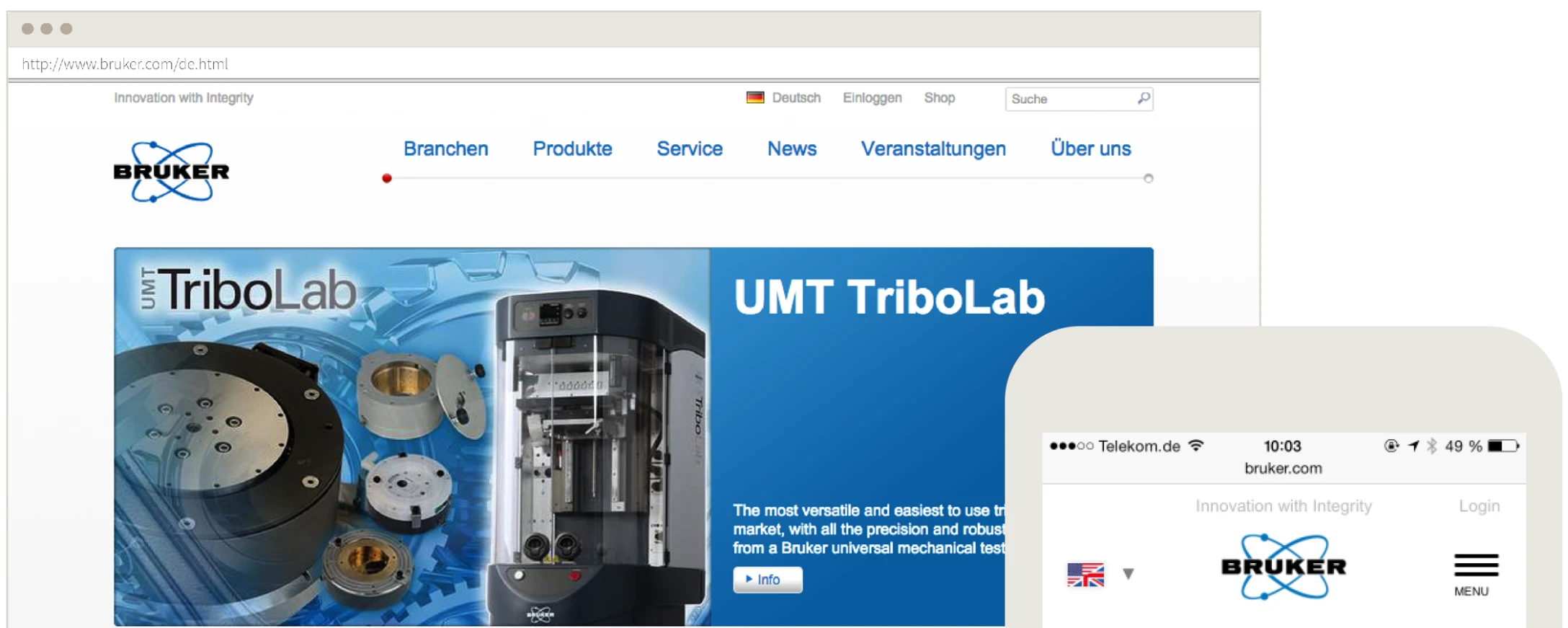
This all-inclusive approach to user interface design is based on the principle of pre-built stylesheets. Browser compatibility is a top priority here, and design and development go hand in hand. Since all elements are pre-designed, this ensures, for example, that every possible component has a consistent look.
Admittedly, Bootstrap isn’t always the first choice for user interface design. In most cases, Foundation comes into play: an almost minimalist framework that’s easy to learn and relatively quick to code—partly because it doesn’t require overriding as many CSS styles as Bootstrap does.
Single-page applications have a lot going for them. They offer a comfortable “desktop-like experience” for the user, and since a full page reload isn’t required, data usage can be reduced. There are several frameworks that support development in this area, but AngularJS makes it particularly easy for us and makes HTML more dynamic and better suited for web applications. Advantage: Many standard tasks are automated through data binding and directives. Above all, this means shorter development time and less coding work. And the result: cleaner code.