Cancel
Start searching

This search is based on elasticsearch and can look through several thousand pages in miliseconds.
Learn more
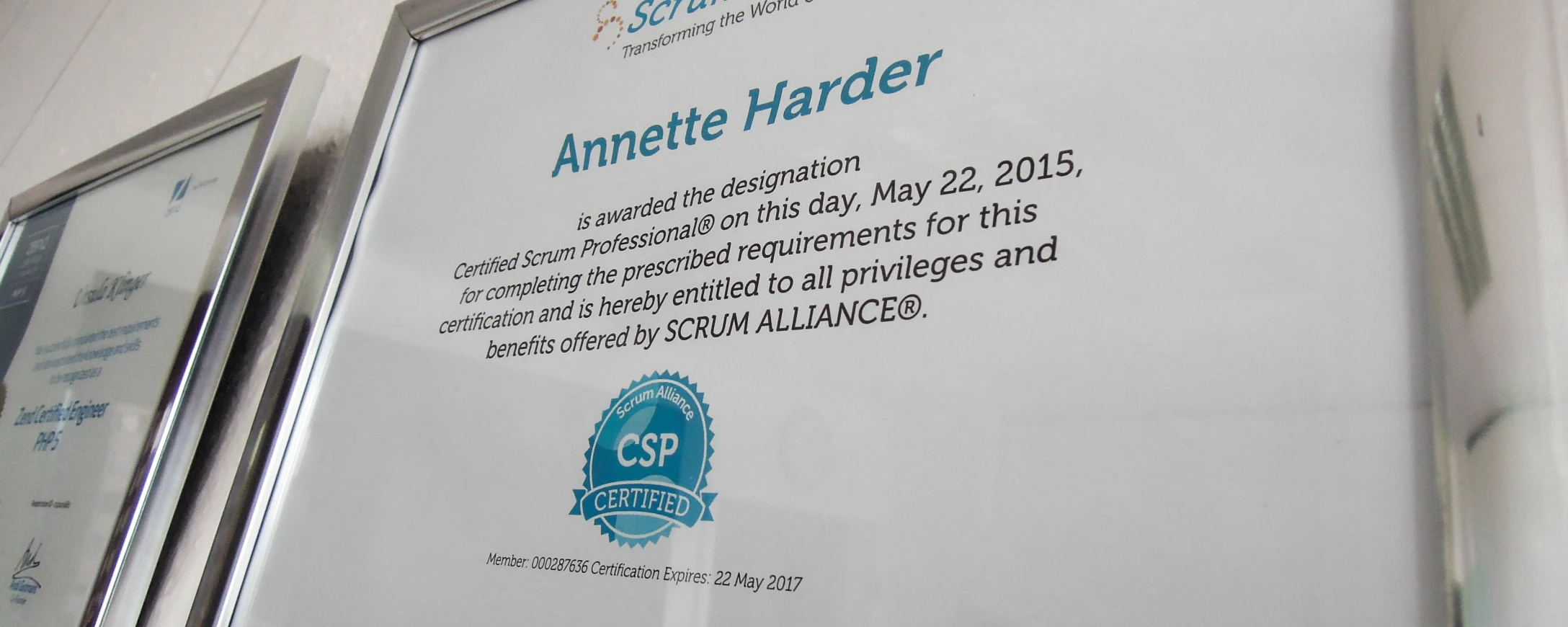
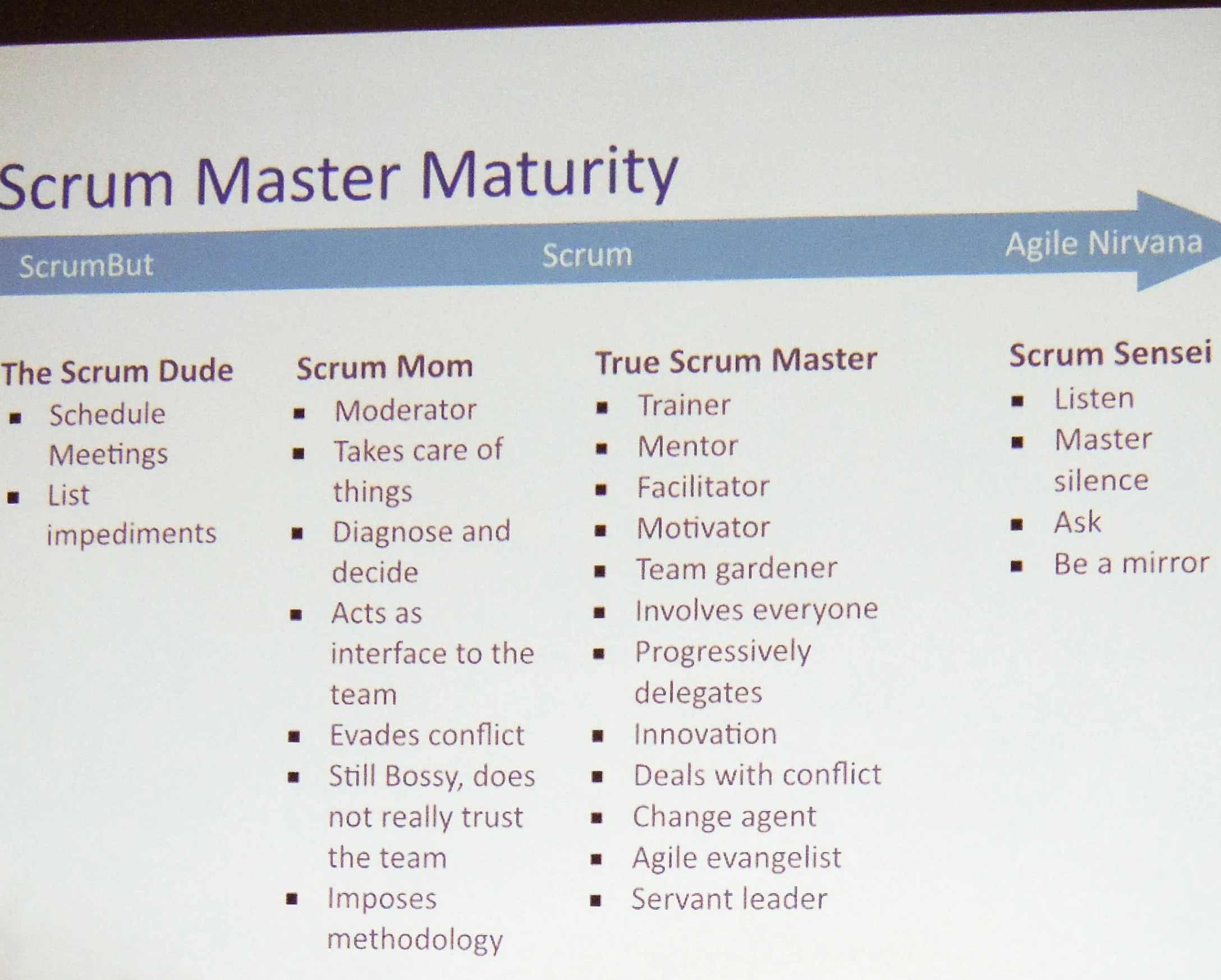
Becoming a CSP—Certified Scrum Professional—was the next natural step for me to express my commitment to Scrum as a project management framework and to demonstrate that commitment to others. As a ScrumMaster, I start with continuous improvement in myself, because in my role as a “servant leader,” I want to lead by example in the continuous improvement process.
At the Global Scrum Gathering in Berlin, which I attended last year, I met many highly qualified Scrum trainers and coaches. This further motivated me to pursue additional personal certification.
Furthermore, the way the CSP certification process is structured served as a meaningful complement to my intrinsic motivation to improve my skills as an agile coach.
I was able to earn the Certified ScrumMaster (CSM) certification by investing two days of my time and the financial cost of the required ScrumMaster training. In my opinion, one drawback of this is that professional experience in a Scrum environment is not a prerequisite.
In contrast, you become a “Certified Scrum Professional” (CSP) by actively practicing Scrum. There are three prerequisites I had to meet in order to even apply for CSP certification.
To ultimately obtain the certification, I also had to document my agile “background” in the application and describe the specific learning content of the events or training courses I had attended. In other words, my personal investment was much higher overall than it was for the CSM certification.
What I find appealing about this form of certification is that it’s “simple”—or rather, it makes sense—if someone is genuinely interested in and committed to Scrum out of conviction. For “certification hunters,” on the other hand, going through this entire process up to the application stage is tedious.
The certificate can thus be viewed as a kind of barometer for the quality and seriousness with which I personally—and therefore also punkt.de the company where I work, live by Scrum values and principles.
The ongoing exchange with colleagues, which is fostered by this certification, also enriches many topics related to the transition of punkt.de becoming an agile company ourselves. It’s only through dialogue with agile coaches who work at other companies that I gain insight into the level at which other companies operate—for example, in terms of self-organization at the enterprise level—and can incorporate their experiences punkt.de so that we as a company can benefit from them. I incorporate what I’ve learned into our processes and structures as punkt.de .
The dimensions involved are multifaceted, as I can drive and support process optimization in many areas: By improving my facilitation skills or broadening the range of my facilitation methods, I, as a ScrumMaster, can guide my team more effectively toward improvements in the development process during retrospectives—which saves time. And what saves time also saves the customer money in the service sector, where punkt.de things are constantly changing, also saves the customer money. Furthermore, all measures to improve code quality that I strive for in my role as a ScrumMaster indirectly and in the long term benefit punkt.decustomers, because good code is always easier to maintain and extend.
It’s important for me to meet with other agile coaches regularly to check whether I’m still on the “right track” with my own work. I definitely don’t want to become “blinded by routine”; instead, I want to regularly question the quality of my own work. Exchanging ideas with other ScrumMasters, POs, and agile coaches makes this much easier for me. This has allowed me to further develop my agile mindset, and I’m now able to effectively share this knowledge within punkt.de and to our clients. I’ve also gained countless ideas for improving processes in my team and at punkt.de . Our clients benefit from this as well.
The agile principles establish customer satisfaction—with a focus on customer value creation—as the highest priority. When I use the knowledge and expertise I’ve gained during the certification process to improve the Scrum process and Scrum implementation at punkt.de, our customers also benefit—because creating value for the customer is an integral goal of the agile mindset.
Thanks to punkt.de , I’ve received tremendous support over the past three years—for example, by being allowed to attend events during my work hours. I would never have been able to afford to attend the Global Scrum Gathering in Berlin last year on my own, for instance.
The company’s punkt.de in participating in professional development opportunities is generally very generous. The decision on whether employees attend a conference or training session is made by punkt.de the respective development team, as there is a strong belief that the team is best positioned to assess which knowledge will enrich and complement the team. The costs for the event and accommodations are usually covered by punkt.de. At punkt.de , we place great importance on ensuring that our company doesn’t “stand still”!
So if it’s important to you to be, remain, or become a good ScrumMaster, then you actually already meet—or will soon meet—the requirements for certification. After all, anyone who wants to work in an agile environment because they’re convinced of agile values and principles can’t avoid engaging with their “agile” colleagues and attend events or training opportunities focused on Scrum and other agile methods—because it’s the best way to put your own work to the test and improve it. The SEUs are, so to speak, a bonus on top of that.
When I decided to apply for the CSP, I had to retroactively gather all the event details from the past few years from various calendars, notes, and documents. That took me a lot of time.
My tip: Write down the events you attend (at least the date, duration, location, contact person, and what you did and learned there)—it takes very little effort while the memory is fresh and saves you a lot of time when you submit your application ;-)
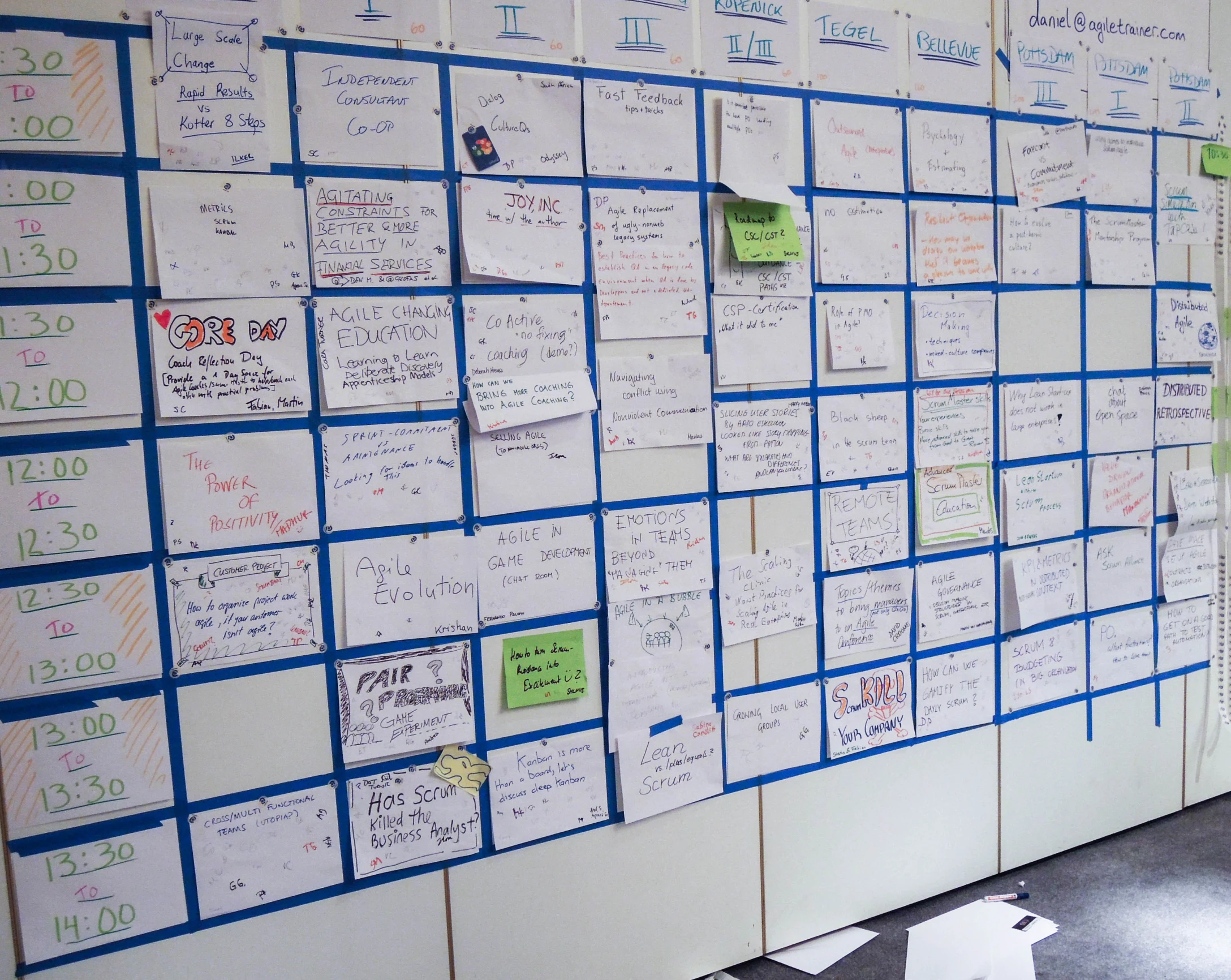
By the way, I highly recommend the following events:
Related links:
Psst... Are you interested in this article because you're currently looking for a new job as a Scrum Master?
Great—then feel free to check out our job posting!