Cancel
Start searching

This search is based on elasticsearch and can look through several thousand pages in miliseconds.
Learn more

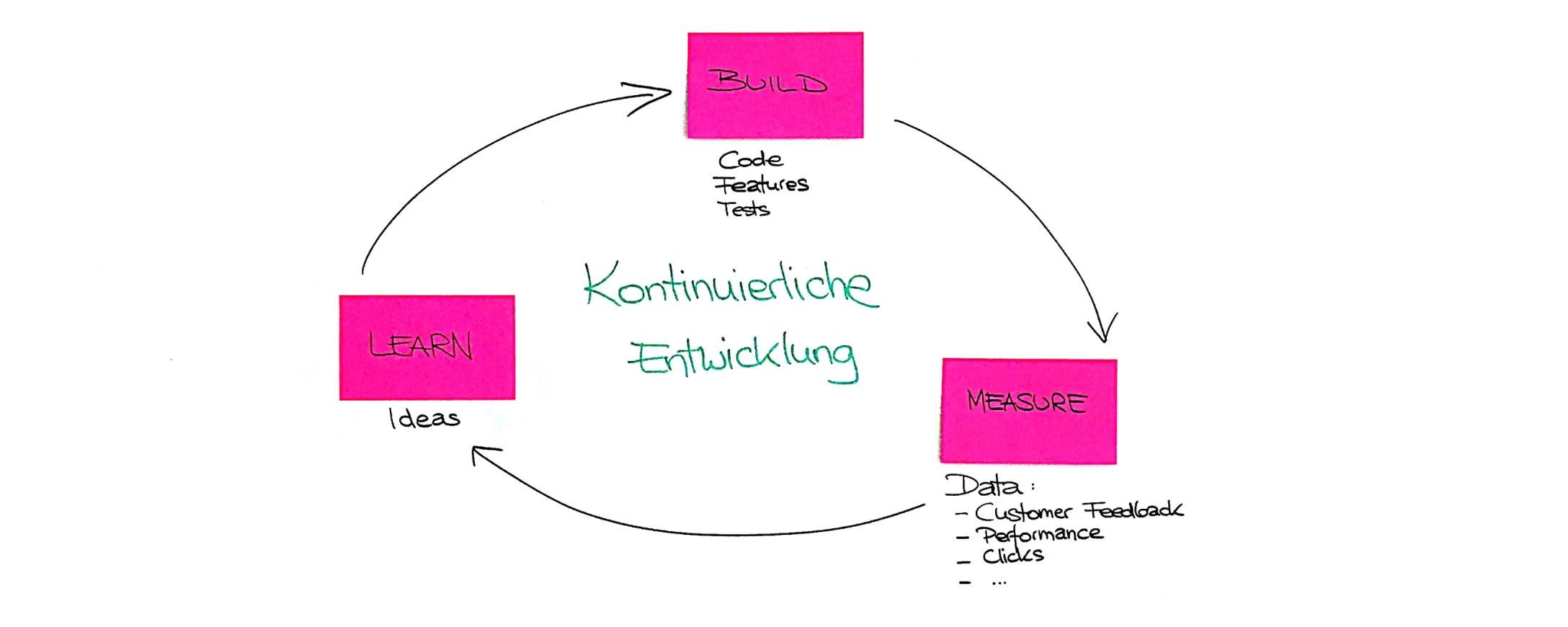
The relaunch of a new intranet portal or a major corporation’s new corporate website may not always bring only positive results. For example, a new intranet portal can represent a huge adjustment for employees because features are now difficult to find due to a changed information architecture. And even if the portal’s usability now appears to be better, employees have most likely developed workarounds in the meantime that allow them to efficiently achieve the desired results. The same could happen to potential and current customers when websites are relaunched. To avoid this, it makes more sense to adopt the concept of a “continuous relaunch.” This means that a web application is not completely rebuilt after a specific period of time (x), but is continuously refined. In addition to avoiding the problems just mentioned, the continuous relaunch offers further advantages:
There are many reasons for relaunches, such as an outdated design, internal changes, or the need for new features. If you wait until the next relaunch to implement features that will boost lead generation or even revenue, you’re missing out on real money. You can find a detailed calculation example here:Continuous Website Development.
Don’t make it unnecessarily difficult for users to navigate your website. I’m not saying you shouldn’t change—on the contrary, be bold in making changes—but please don’t do everything all at once. The example of Windows 8 clearly shows that major changes aren’t always well received. Instead, try to identify which improvements you can make to your website through continuous testing and analysis.
If you work with an agency over the long term and have decided to implement continuous relaunches, features can be implemented within 14 days, for example. So if new technologies or opportunities for optimization—such as improving a website’s loading speed—are identified, these issues can be addressed flexibly, and you don’t have to wait until your idea can—perhaps—be implemented during the next relaunch. The same applies to findings from analytics tools or surveys. If users are missing a specific feature, it can be scheduled and implemented promptly. Optimizing a website together—rather than having to wait forever to reap the rewards of success—is motivating! Furthermore, implementing features early on can yield immediate benefits, whether financial or related to the user experience.
The initial phase of a new project—especially the search for an agency, the right content management system, and the development of a completely new concept—takes a great deal of time. In particular, deciding on content and features—which ones to keep, which ones to replace, and which ones can be eliminated without replacement—can take a long time. However, mutual understanding of each other’s work and workflows is also crucial. Once this foundation has been laid, nothing stands in the way of a professional and successful collaboration.
During what we’ll call a “Big Bang relaunch”—which typically takes place every three to five years—it’s entirely possible that your hard-earned search engine rankings will be lost, partly because the structure of your site—and thus the URLs—may change (after all, a relaunch provides an opportunity to reevaluate everything that already exists). In addition, content and visual elements may change due to strategic shifts in branding, corporate identity, content strategy, etc. In projects that undergo continuous relaunches, however, SEO efforts aren’t undermined—they’re actually supported—because technical changes help drive better rankings.
Large-scale relaunch projects that stretch out over months carry a high level of risk. There are many things to keep in mind, and because everything is being developed from scratch, it’s more prone to errors—for various reasons: because the relaunch date is approaching, because the site hasn’t been tested thoroughly enough, because some test devices or browsers were overlooked or would require too much effort, or or or… So the advantage of a continuous relaunch is obvious: if you focus on making changes to just one area at a time, you’ll make fewer mistakes.
Because continuous relaunches may involve new features going live every week—or at least changes occurring relatively regularly—there’s no need for a major relaunch date. As a result, the project can proceed in a much more relaxed and stress-free manner for all three parties involved: you, your agency, and your clients.
Finally, it’s worth noting that customers’ external perception of a company tends to reflect what the company is really all about. This means that when a company changes, these changes can be promptly communicated to the outside world through its website.
If you have any questions about Continuous Relaunch—for example, how such a project can actually be implemented—please feel free to contact us!