Cancel
Start searching

This search is based on elasticsearch and can look through several thousand pages in miliseconds.
Learn more
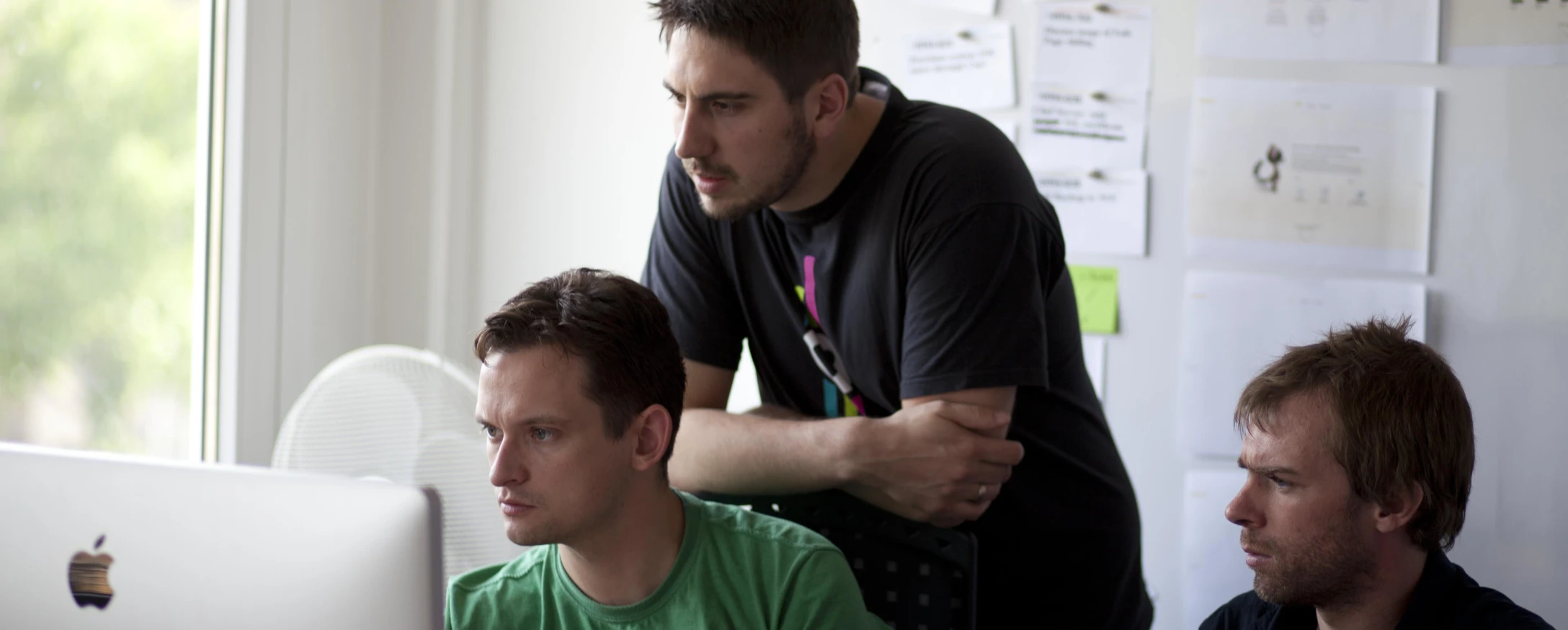
We at punkt.de therefore decided early on that we wouldn’t just use the DevOps approach for ourselves, but that we’d actively work on it and engage in “development for development.” The best example: Codecoon’s boxes—our latest project. Here, the appropriate development environment—including a web server, database, PHP, and TYPO3—comes fully configured in a single package. The fact that it’s possible to work “on the go” without a server connection is a nice little bonus. What infrastructure virtualization and the increasing automation of system configuration and operations are really all about: being able to integrate software more quickly into ongoing processes. This ensures quality, transparency, and ultimately efficiency—which has a positive impact on costs. There’s rarely a more compelling way to experience this than when setting up a developer’s laptop suddenly takes 15 minutes instead of eight or more hours. While the time savings are one benefit, reduced error rates thanks to automated steps “cast in code” are another positive outcome for us.
Speaking of time savings: For us, “development for development” also means sharing our knowledge with others—for example, when it comes to practical solutions for deploying locally developed software to a server. That can sometimes be very time-consuming and complex. It’s faster and easier with our tried-and-true deployment process and five to six lines in the configuration file… Then it’s just a matter of “pressing a button” in Jenkins—et voilà. More time saved.