Cancel
Start searching

This search is based on elasticsearch and can look through several thousand pages in miliseconds.
Learn more

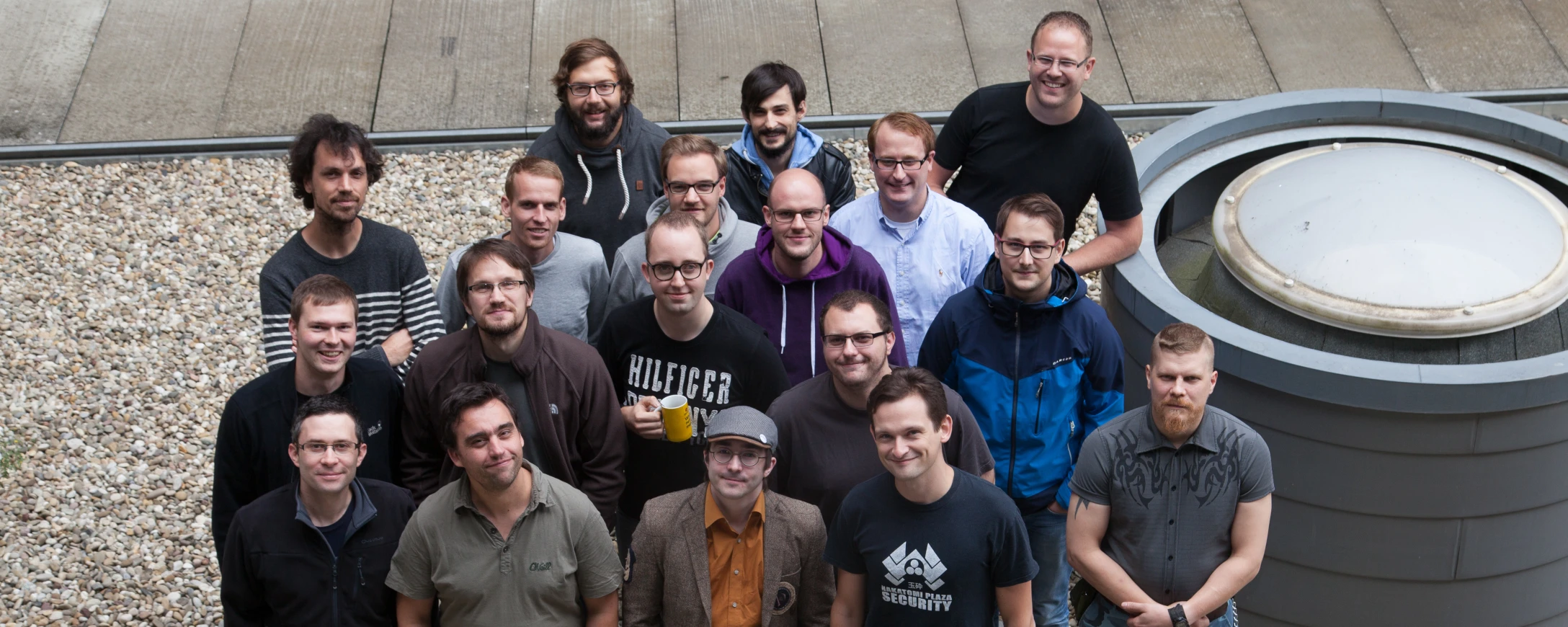
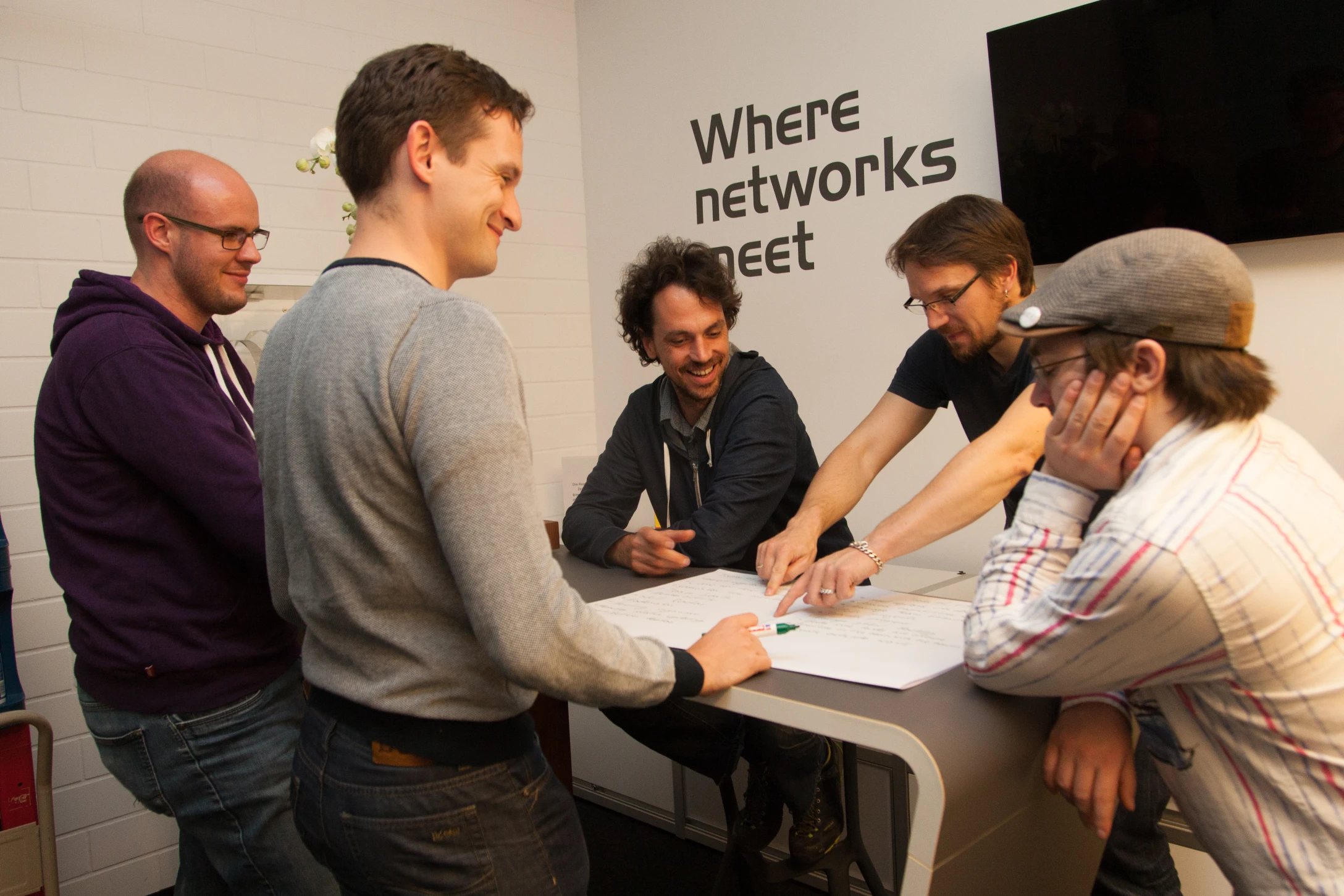
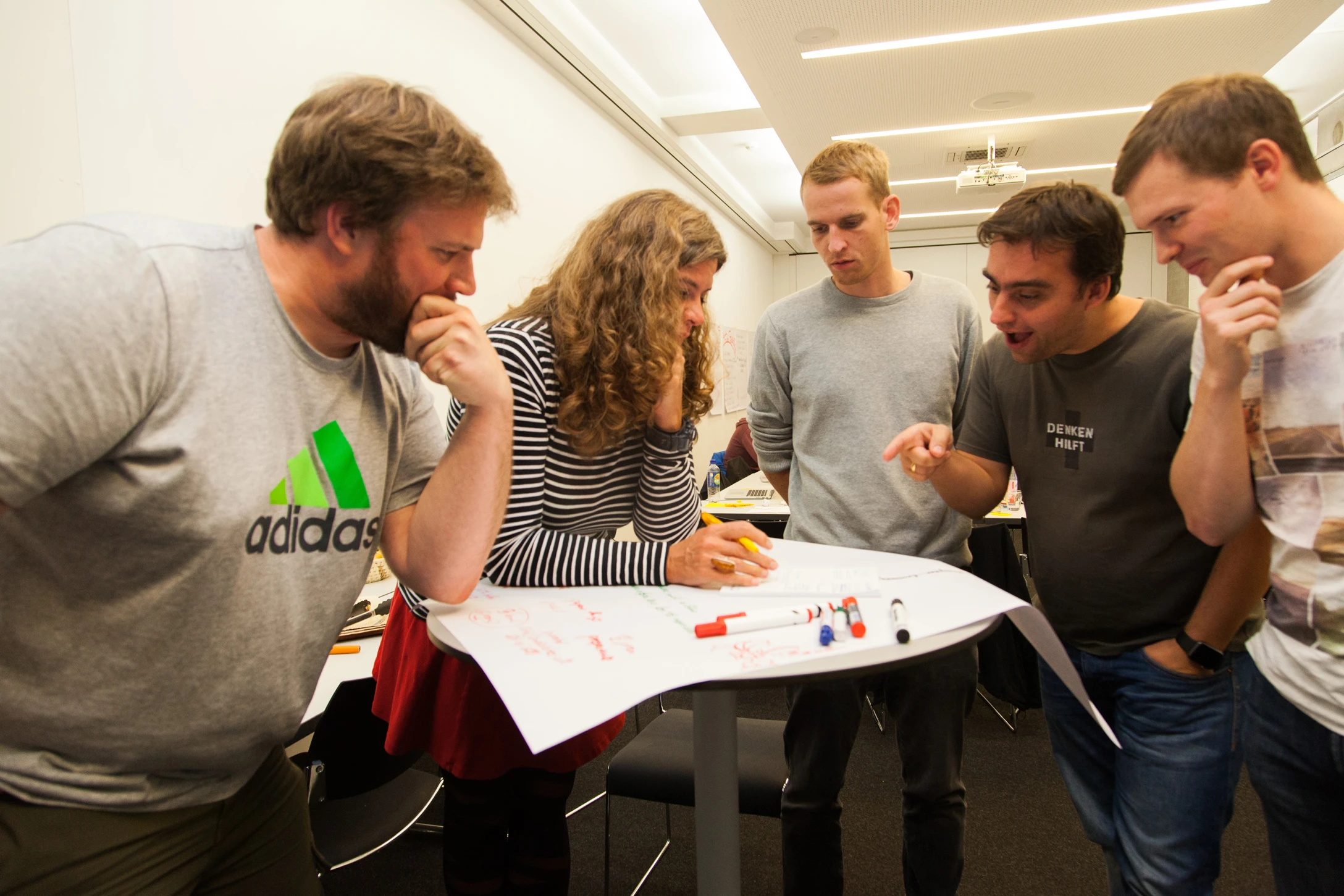
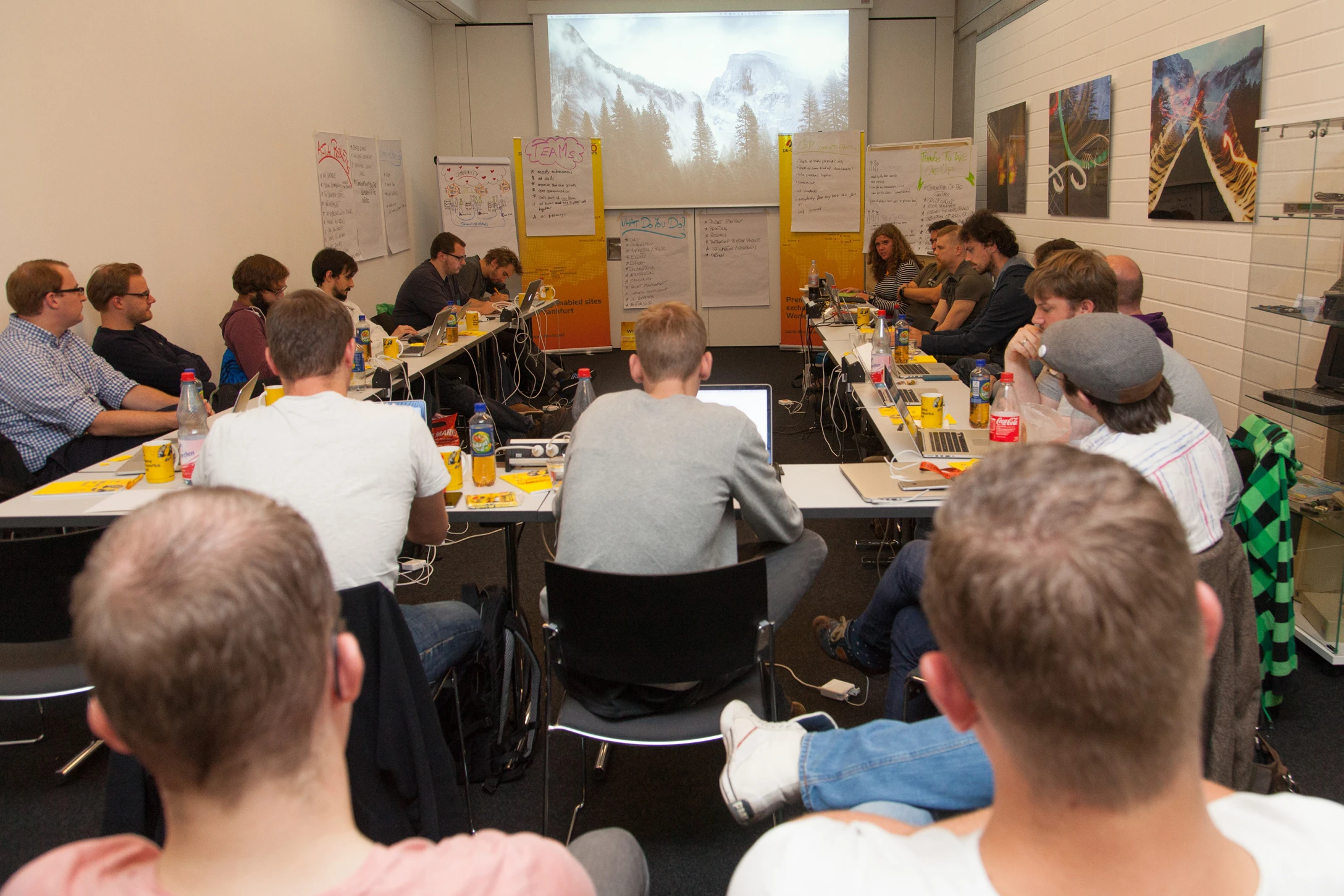
Monday was dedicated to a workshop on the new agile team structure for the Neos project. Gina Steiner moderated the day, during which we worked together to develop the concept for cross-functional teams, for the communities of practice connecting the teams and for a council of elders familiar with the vision of the project.
We discussed the proposed concepts in small groups and refined the various aspects of the concept. On the following days, the newly formed transition team moderated workshops and discussion rounds for further detailed areas of the overall concept. Over the next few weeks, two to three teams with six to 12 members each will be formed to continuously drive the further development of the Neos project.
To this end, a survey will be conducted in the developer community - we are looking for designers, developers, integrators, marketing experts and many other talents who can imagine working together in a distributed team on various subtasks of the Neos project. As with all agile, cross-functional teams, it depends on the composition of the team members - all important skills should be covered in the team. In the new teams, the roles of "synchronizer" and "prioritizer" also need to be filled. The Synchronizer will take on the tasks that the ScrumMaster has in a Scrum team: synchronizing team members, establishing a good team culture, promoting and integrating new team members and, of course, moderating regular meetings. The Prioritizer - similar to the Product Owner in Scrum teams - will work together with his colleagues from the other teams to prioritize the tasks in the project and also pay attention to the quality of the results.
The new structure(shown here in detail) was approved unanimously in a vote among the code sprint participants and the members of the previous core team who were not present. The new structure will make it possible to better distribute knowledge about the project and the upcoming tasks. We are all very much looking forward to moving Neos forward in this mode.
For several weeks now, we have been working on moving the Flow and Neos code from git.typo3.org to Github. The long-planned move brings some advantages. The workflow for submitting changes via Gerrit felt cumbersome for many new developers. The Github approach, where changes are sent to the main repository via pull requests, is a well-known concept among developers.
Using the Github platform not only offers better visibility of the project's development, but also the option of using free open source services such as the continuous integration tool Travis-CI or CodeClimate to create code metrics. The Github move also means that developers no longer have to fill out the TYPO3 Contributer License Agreement (CLA), which further lowers the hurdle for newcomers to the Neos community.
With the move, the components that make up the respective core of Neos and Flow have been merged from the previously separate git repositories into one development collection git repository each. Combining the git repositories makes it much easier to process changes that affect several parts of the core components together. Scripts then ensure that the development collections are split up again into individually installable packages.
Work on the new code contribution guidelines was carried out during the sprint and is still ongoing. Progress can be tracked at discuss.neos.io.
In a vote, the Neos community clearly voted in favor of switching to the widely used PSR-2 coding guideline. This was carried out during the sprint for all maintained versions of Flow, Neos and other packages maintained by the community.
The features of Neos Release 2.1 were also discussed in one of the rounds. A list of functions was drawn up which are to be completed by the feature freeze of the new version. This list includes the introduction of workspaces, the expansion and improvement of content security functions and the stabilization of the history module. There are also some smaller improvements for integrators and editors on the agenda. These include tooltips and help texts in the backend as well as further improvements to the performance of the backend. The Jira board, on which the release is gradually taking shape, can be found here.
There will no longer be a release manager for this release. Instead, work on finalizing the release will be one of the first tasks for one of the new teams.
To help you get started with Neos CMS, we offer various workshops - documented on our blog or as an on-site workshop. The workshops are suitable for beginners and advanced users.
No matter which type of workshop you choose, you will always receive the expertise of a Neos Core member.
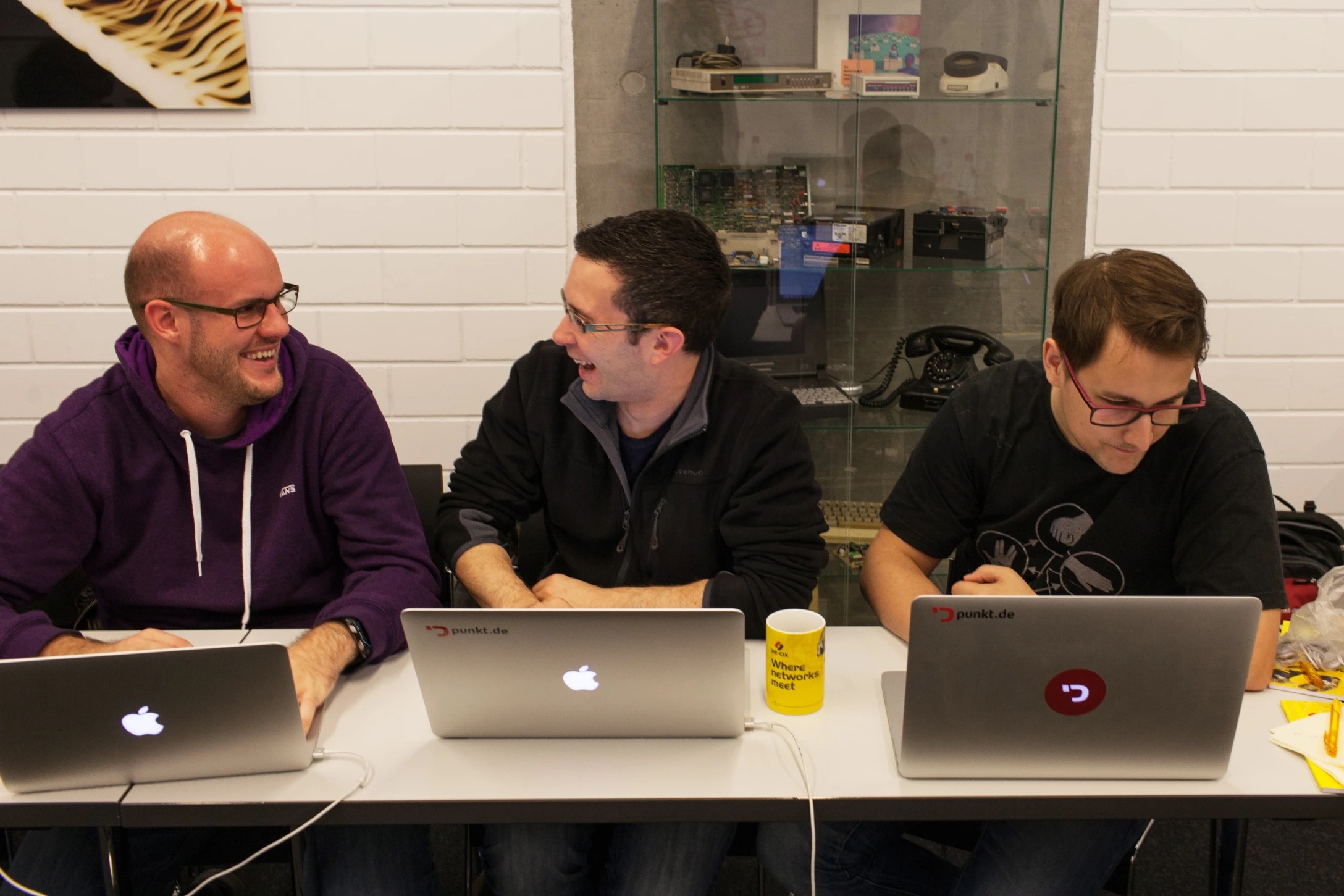
Like every Neos sprint, this week and the collaboration with the great people and great developers was an absolute enrichment for me. Participating in one of the sprints or working in one of the new teams is highly recommended to everyone.