Cancel
Start searching

This search is based on elasticsearch and can look through several thousand pages in miliseconds.
Learn more
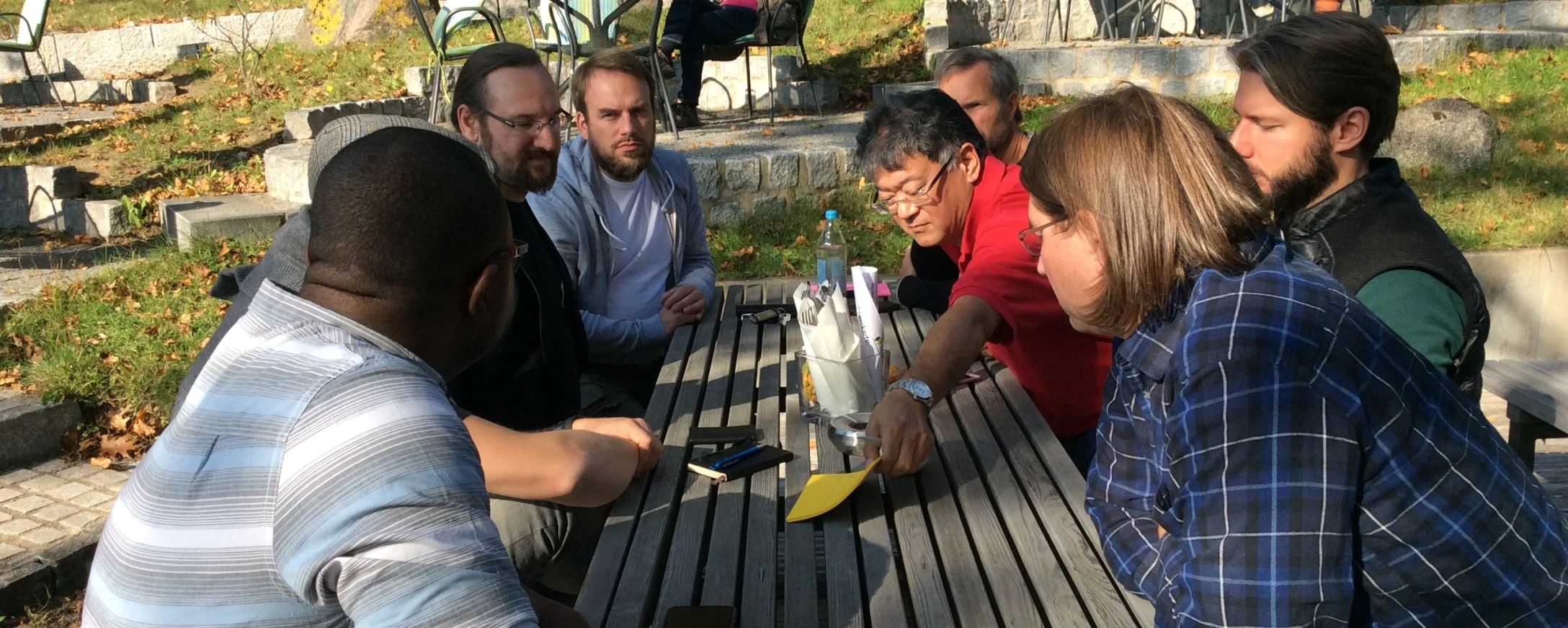
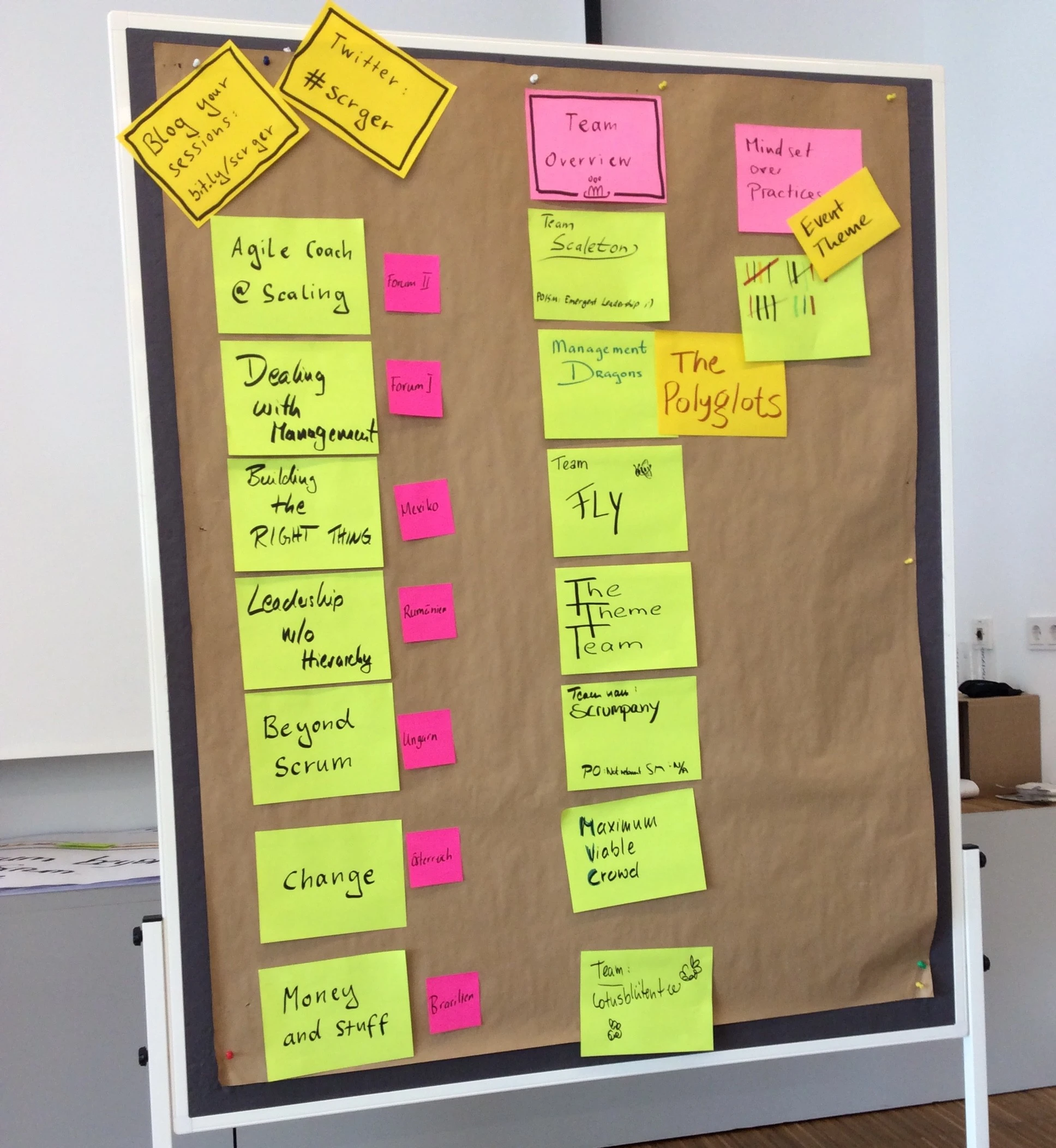
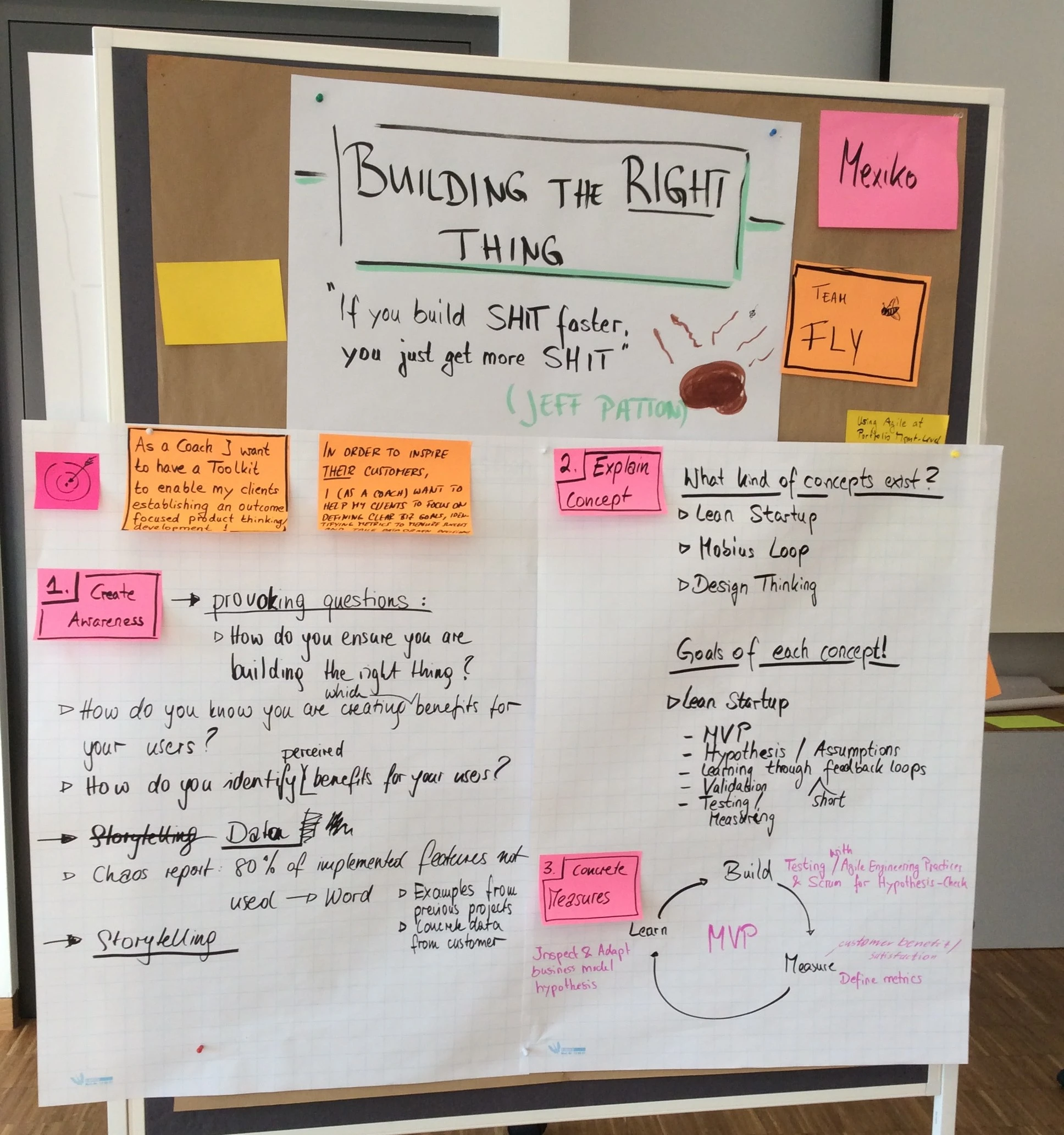
Overall, the retreat’s theme was “Mindset over practice.” This was based on the fact that many agile coaches recognize companies’ need not only to make individual departments or teams agile, but also to increasingly steer the entire company toward self-organization. However, this will only work if the right mindset exists within the company and agility is not treated merely as a “practice.” In this context, two perennial topics are what “agile leadership” might look like in such an organization and how to manage “change” in the desired direction.
The organizers set a tight schedule consisting of 24-hour sprints, reviews, and, of course, retrospectives. As a welcome change of pace—and to allow for discussions with colleagues on topics not covered by the teams—there was an Open Space session on Saturday afternoon that lasted well into the evening. The beautiful surroundings and good weather provided plenty of opportunities to head outside to work.
The blog provides an overview of the results from #SCRGER: http://sacr2015.scrumusergroup.org/
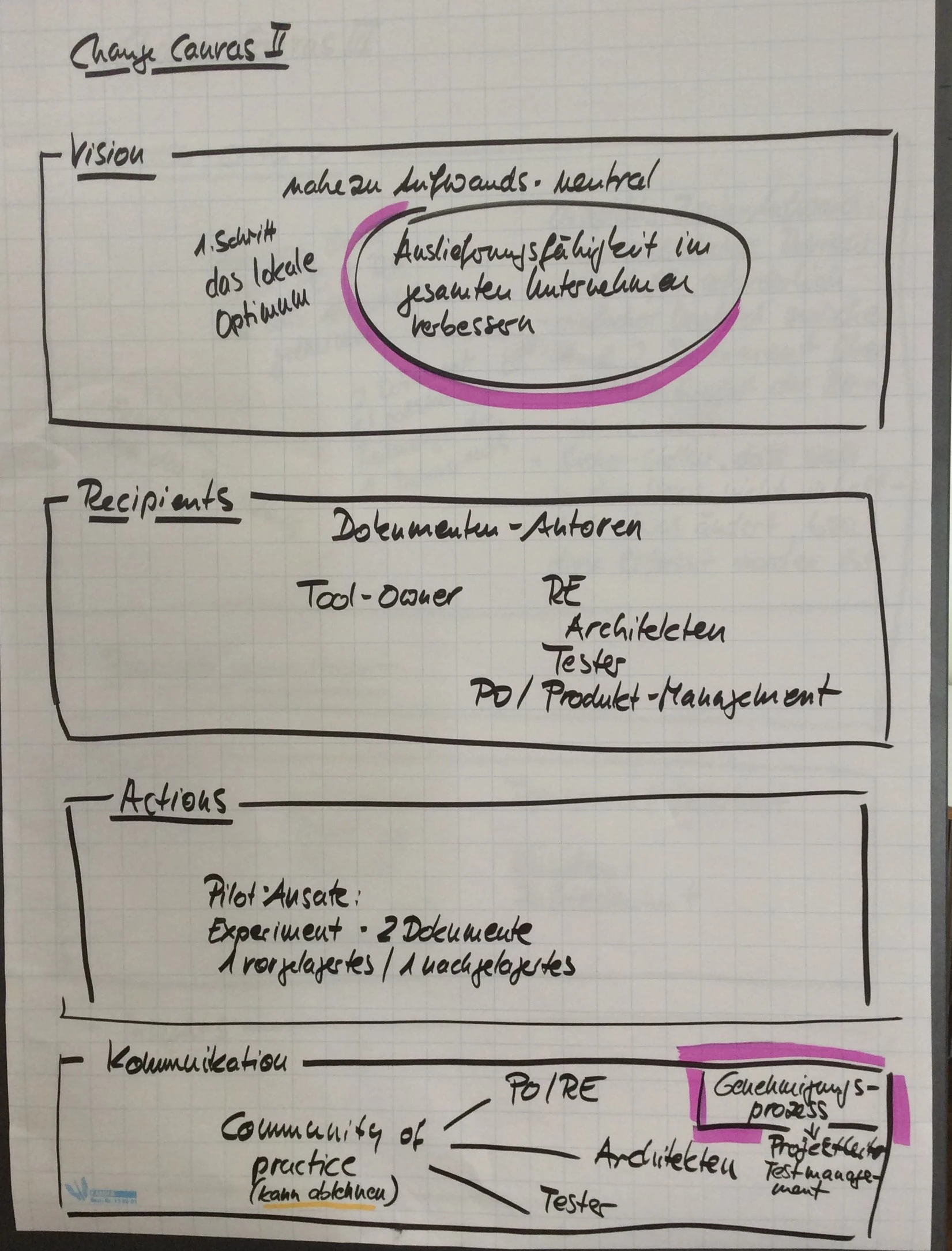
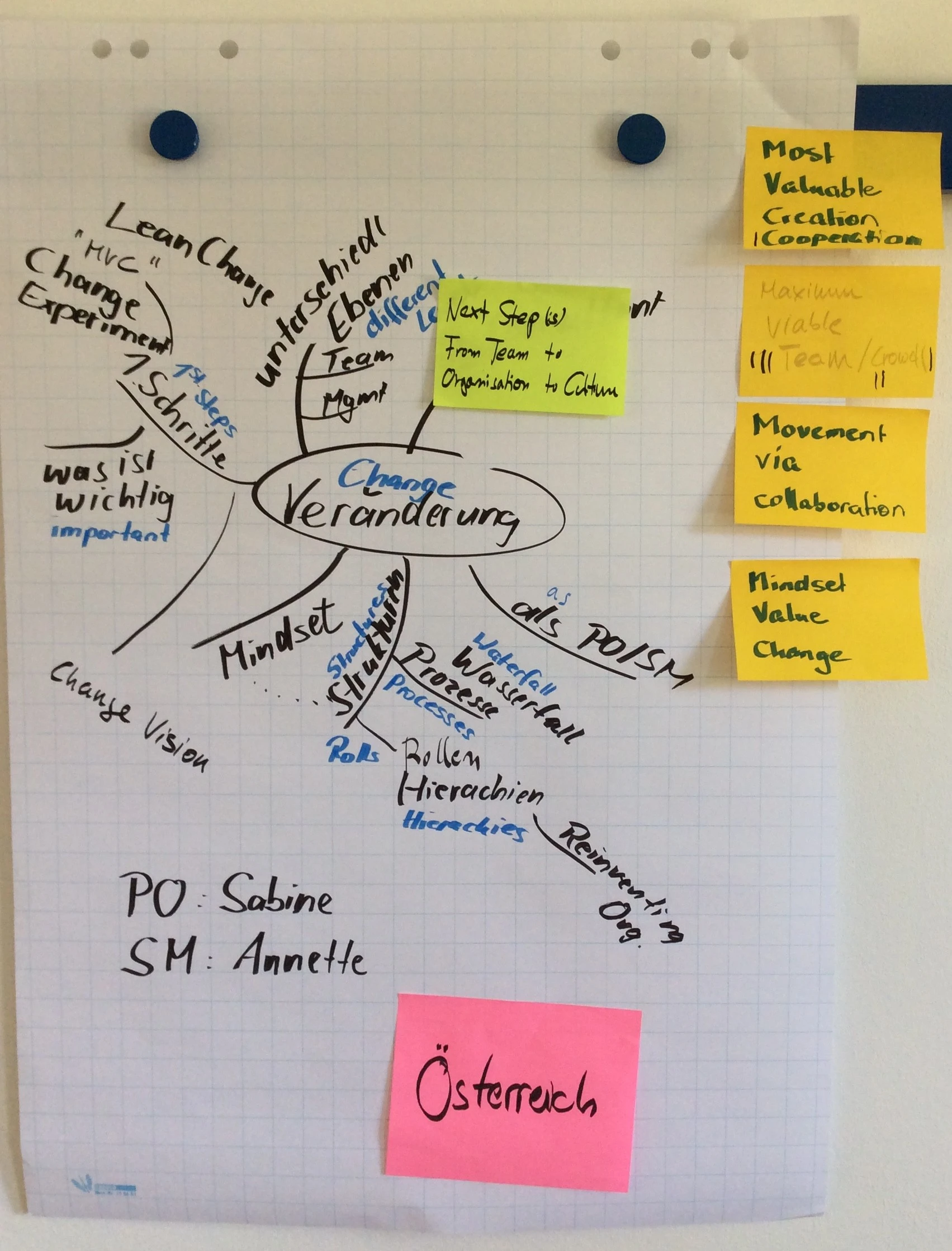
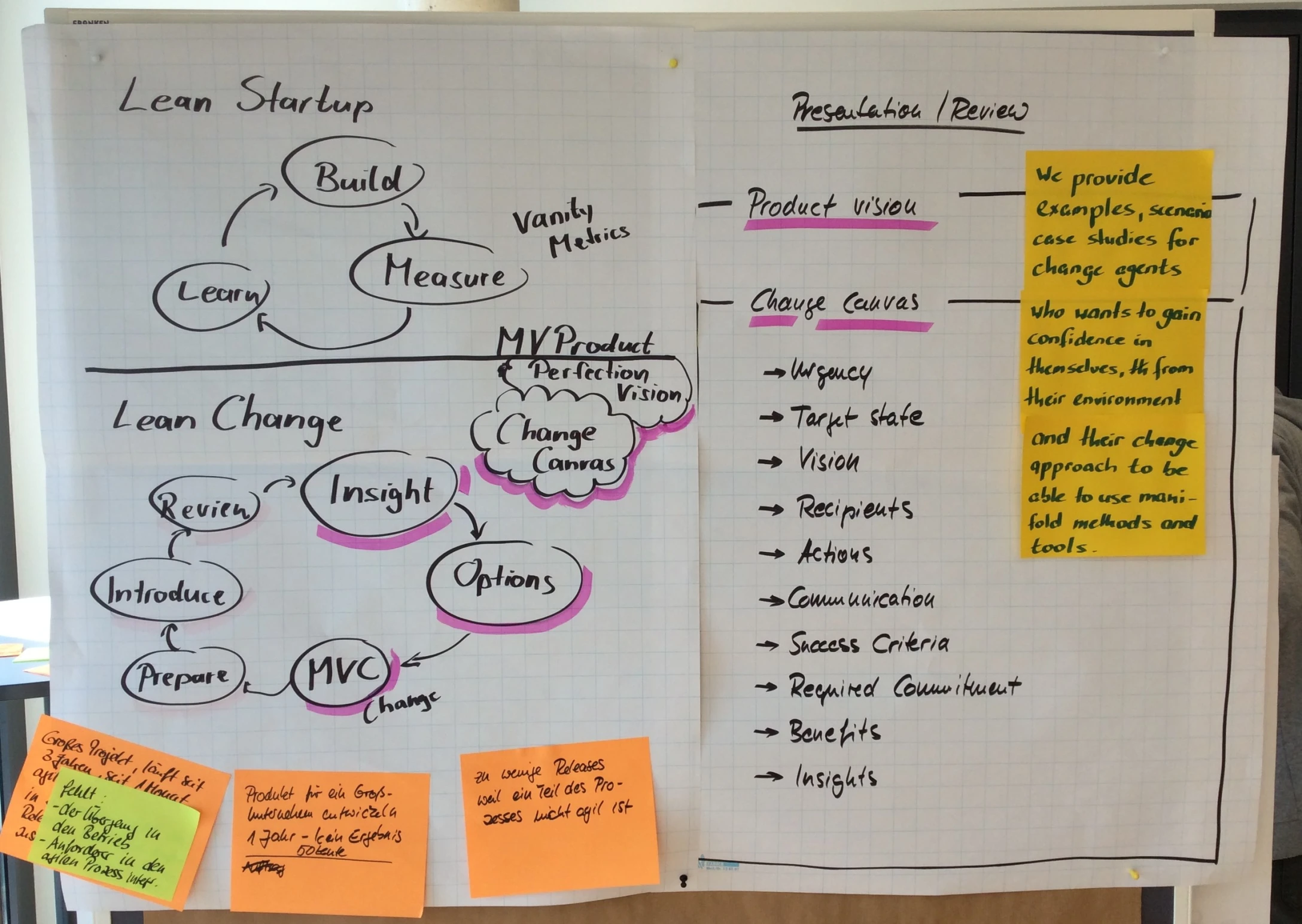
I didn’t just learn about the Lean Change Model—I applied it and internalized it together with my team members. It involves applying Lean principles to change processes, as published by Torsten G. Scheller. In doing so, we found that it doesn’t matter where in the cycle you start—whether with the Change Canvas or, for example, with the options—because through iteration, all the necessary information ultimately comes together.
It was incredibly enriching to work through this cycle for various change initiatives within the group. That’s why one of the strongest takeaways I’m bringing into my daily life is to find a group of like-minded people here as well, where we can support one another in thinking through our change initiatives using this method and identifying suitable MVCs (Minimal Viable Change).
#scrger