Cancel
Start searching

This search is based on elasticsearch and can look through several thousand pages in miliseconds.
Learn more
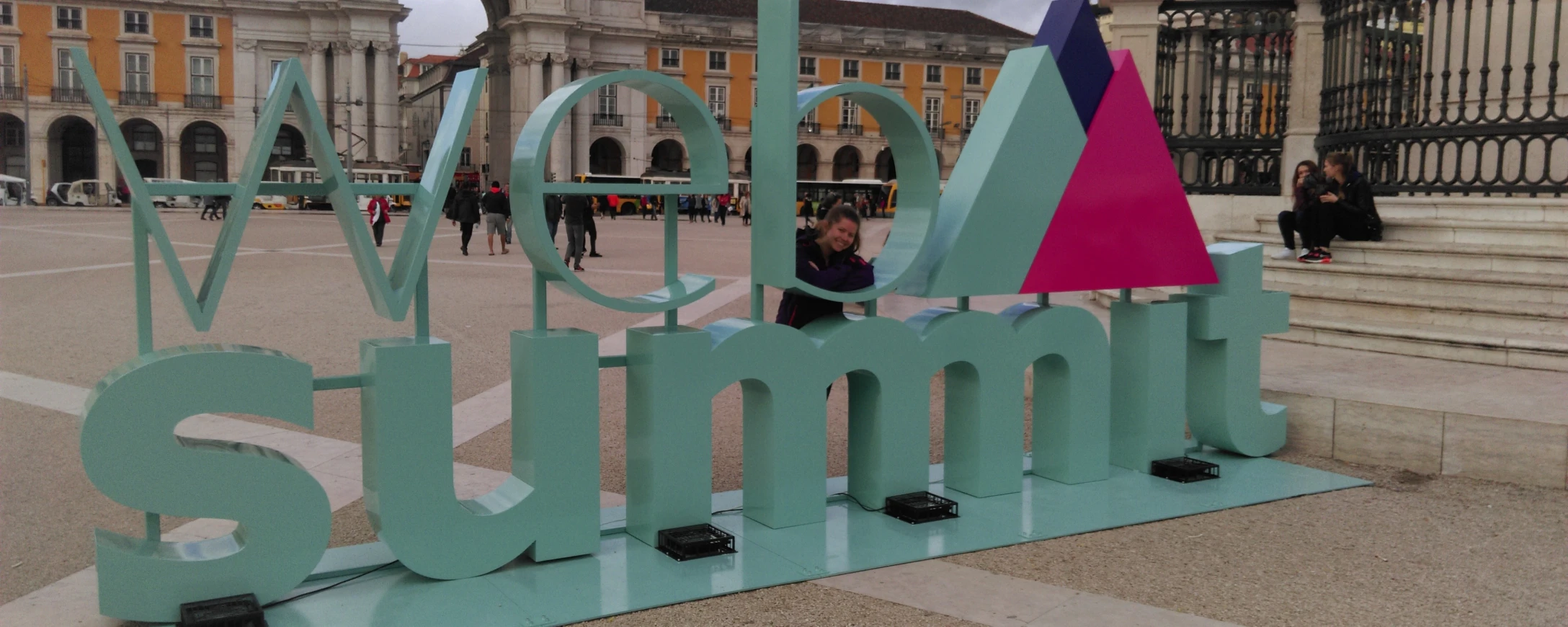
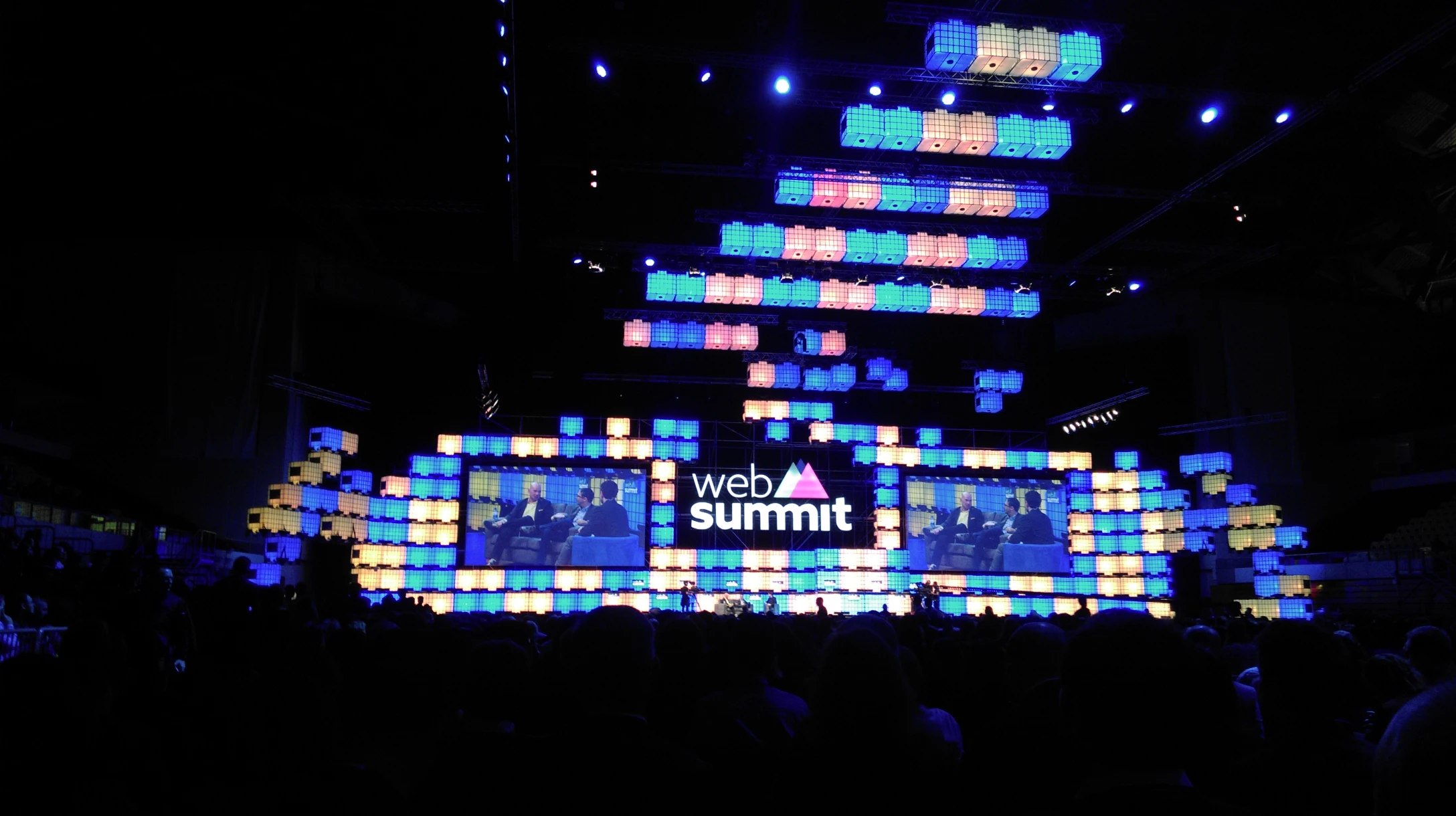
The conference program was packed with many well-known and lesser-known speakers from all over the world. And since several tracks were running simultaneously, I can only give you a brief overview of what was actually discussed at Web Summit.
For me, the first day was still a bit of an orientation period. Although I’d marked some talks that sounded interesting in the Web Summit app, I quickly realized that, first of all, I wouldn’t be able to see all of them, as I’d initially thought. So for the next day, I decided to focus more on looking for inspiring insights in a single hall. Still, I took away quite a few insights even on the first day, even if I can’t apply everything to my personal work routine:
Email marketing is on its way out, since today’s youth use almost exclusively messaging apps or social media platforms for communication. In their view, emails are just for adults because the medium isn’t fast enough.
The media landscape is changing. Not only is the number of distribution and communication channels available today increasing, but certain channels—such as landlines—are also slowly dying out. We need to develop scenarios that account for this trend. But this also means that we can—and should—become more creative in order to capture consumers’ attention using the latest technologies. It also helps to utilize multiple channels to better reach the audience. My latest insight on this topic: Some channels help build trust—for example, TV. Since TV campaigns tend to be more expensive, potential customers automatically assume that the product is already successful because there’s clearly a large budget allocated to TV campaigns.
You prevent your own product from becoming irrelevant by continuing to improve the solution you once found for a problem. Instead, you should ask yourself whether, after some time, there might be a better or different solution for the same product—so you don’t fall behind and get overtaken by the competition.
According to the “Next Generation Workplace” talk, networking will be the most important factor in the future, since sharing ideas or challenges within a large network can lead to great things—because not just a few, but many people can contribute. WORKPLACE—a new software from Facebook—is intended to provide the solution. On the second day as well, various talks mentioned that social networking is important to millennials and added that, at the moment, young people tend not to commit to a single network but instead use different messaging apps and platforms—which may make them even more connected—or, conversely, less aware of what’s going on.
Customer feedback is important, and it’s also important to implement ideas from customers. But it’s even more important to find out whether there might be an alternative approach. Because even if customers’ ideas seem good at first glance, it’s possible that the underlying problem they’re meant to solve can be addressed in a different (e.g., simpler) way.
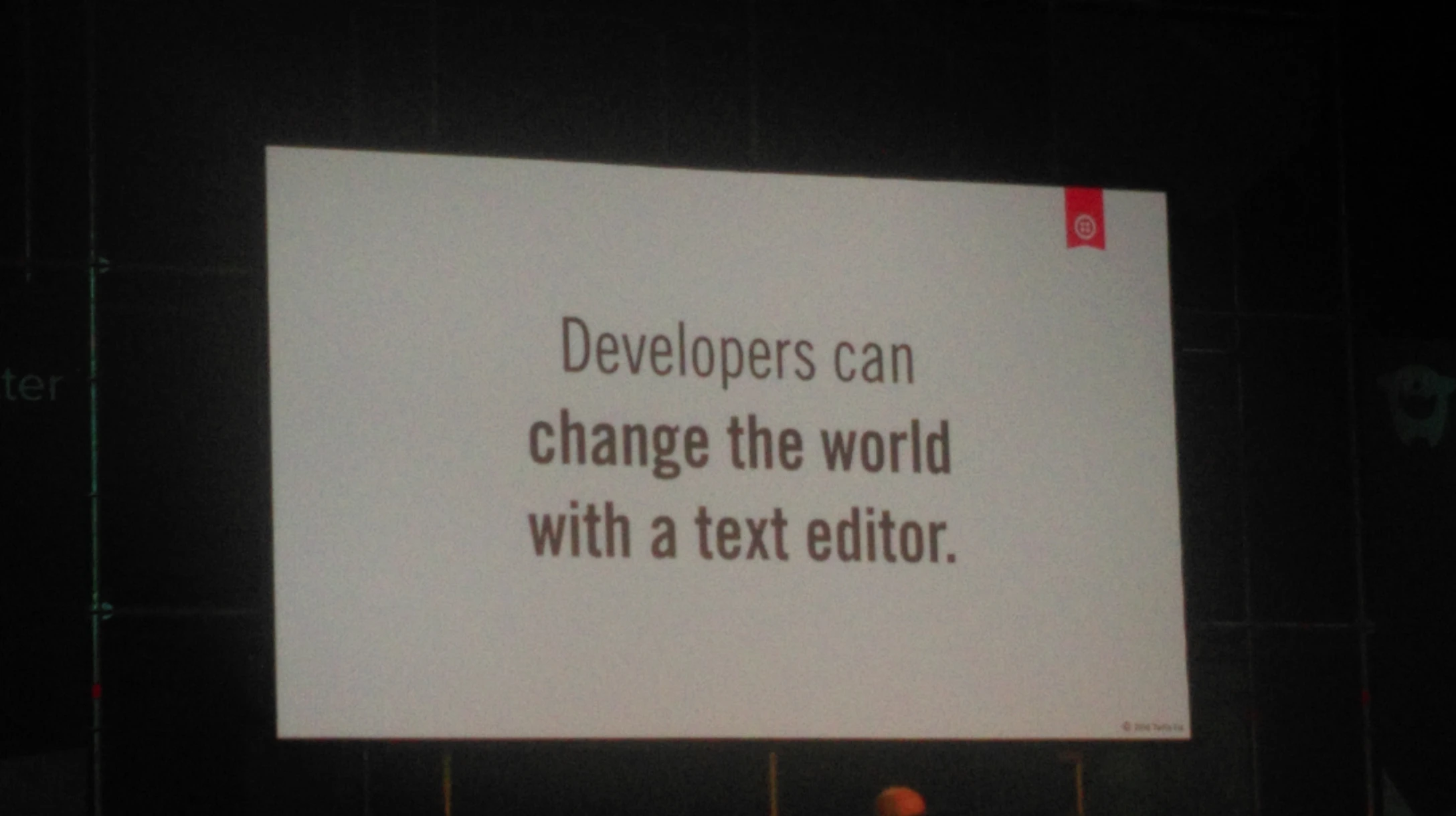
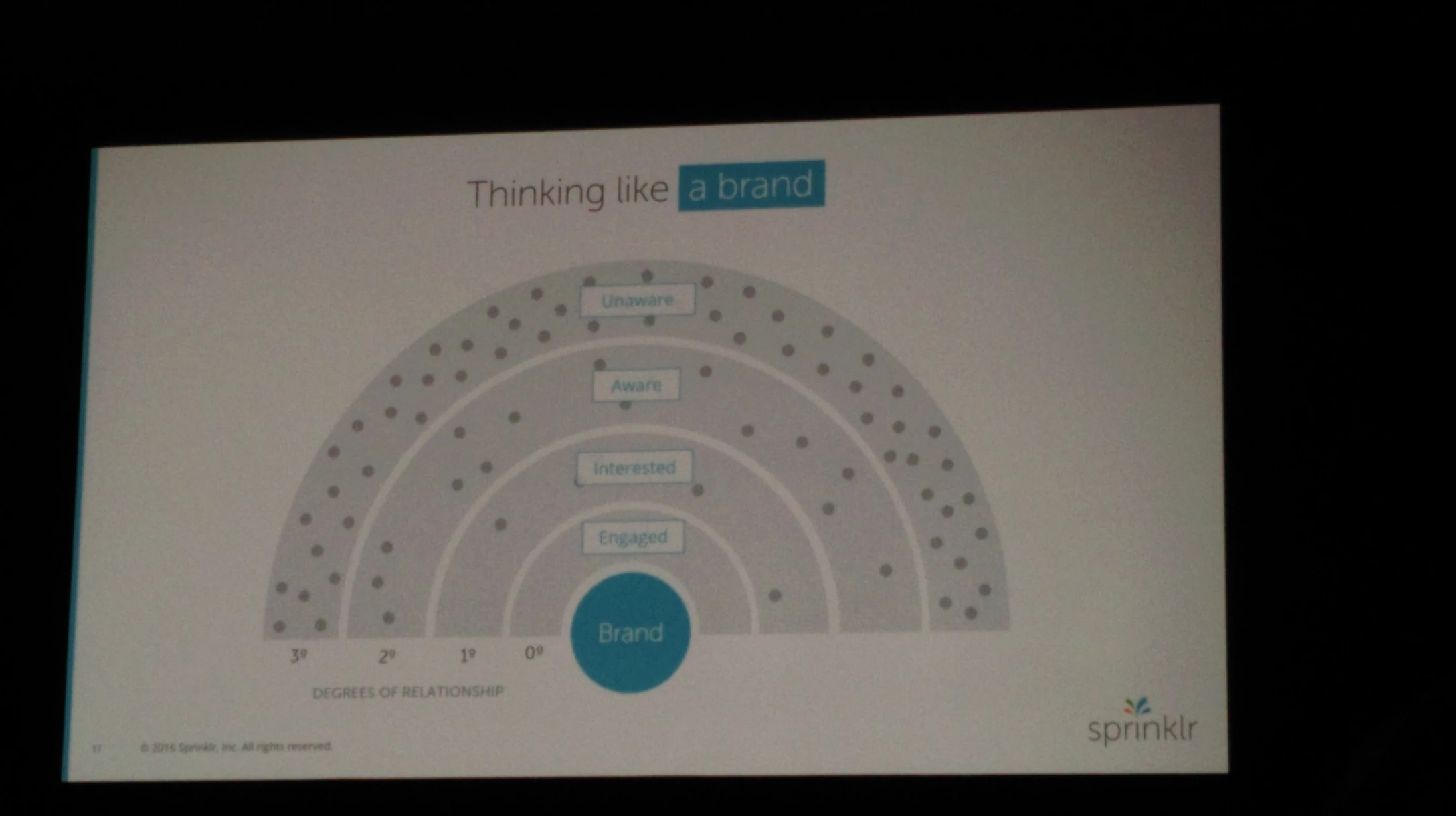
And here’s something else I’ve learned: as a large company, you can carry out effective and creative (albeit costly) campaigns, especially when you combine them with new technologies. For example, Coca-Cola launched a fantastic and emotional campaign using drones, which not only made the “people involved” happy but also served as excellent advertising for the company:https://www.youtube.com/watch?v=zlA9tXYxD8g&feature=youtu.be
The second day had an overarching theme—Millennials—which was mentioned in most talks and discussions or served as the main topic. At least on the stages I attended: PandaConf (Marketing Stage) and the SASS Monster (software-related topics). Among the most interesting insights I took away from the various talks were these:
Trust and loyalty are earned through good customer service—and only through that!
Just because users are too clueless to use your product correctly (e.g., driving a car into a wall at high speed), you shouldn’t leave them to their own devices; instead, take precautions to minimize the damage as much as possible. On the topic of login security, Facebook’s Head of Security offered great suggestions on how to improve the login process: For example, don’t send the email generated by clicking the “Forgot Password” button to your own email address—since it might have been hacked—but rather to trusted friends you’ve designated in advance.
What you should know about customer service when it comes to millennials:
They’re collecting experiences, not money (even though they naturally still want to earn a lot)
They’re connected. This makes them influencers. This can be both positive and negative for a brand
They expect very quick response times (e.g., for complaints)
A study has shown that when a millennial falls in love with a brand, they’ll likely buy everything that brand produces in the future
Action, not talk: Instead of spending a long time thinking about or debating whether to invest in certain social media platforms or try out other low-cost strategies, it’s better to just do them and learn from any mistakes along the way
Authenticity is important to millennials, and “trust does not scale.”
Even though I hadn’t had only positive experiences with the Marketing Stage the day before—that is, I’d heard talks that didn’t add any value for me—I decided to spend a lot of time there on the last day as well and only occasionally venture over to other stages. And unfortunately, on the third day as well, I found that most of the information shared was stuff I’d already heard before. Whether it was the fact that we check more reviews these days before buying something—even when small amounts of money are involved—or that there are more and more new distribution channels (as mentioned above) that we wouldn’t have considered before, such as Instagram. And a debate about ad blocking, with all its pros and cons, wasn’t exactly the most exciting either. There was also a lot of talk about what it takes to be an entrepreneur or CMO (passion) or how social media has changed our lives. In my opinion, it wasn’t the most successful conclusion—at least, I had expected more. Especially when I think back to the last talk, which was quite interesting (the future of the Hyperloop), after which I would have expected a big closing event. But anyway, the Web Summit was definitely interesting.