Cancel
Start searching

This search is based on elasticsearch and can look through several thousand pages in miliseconds.
Learn more

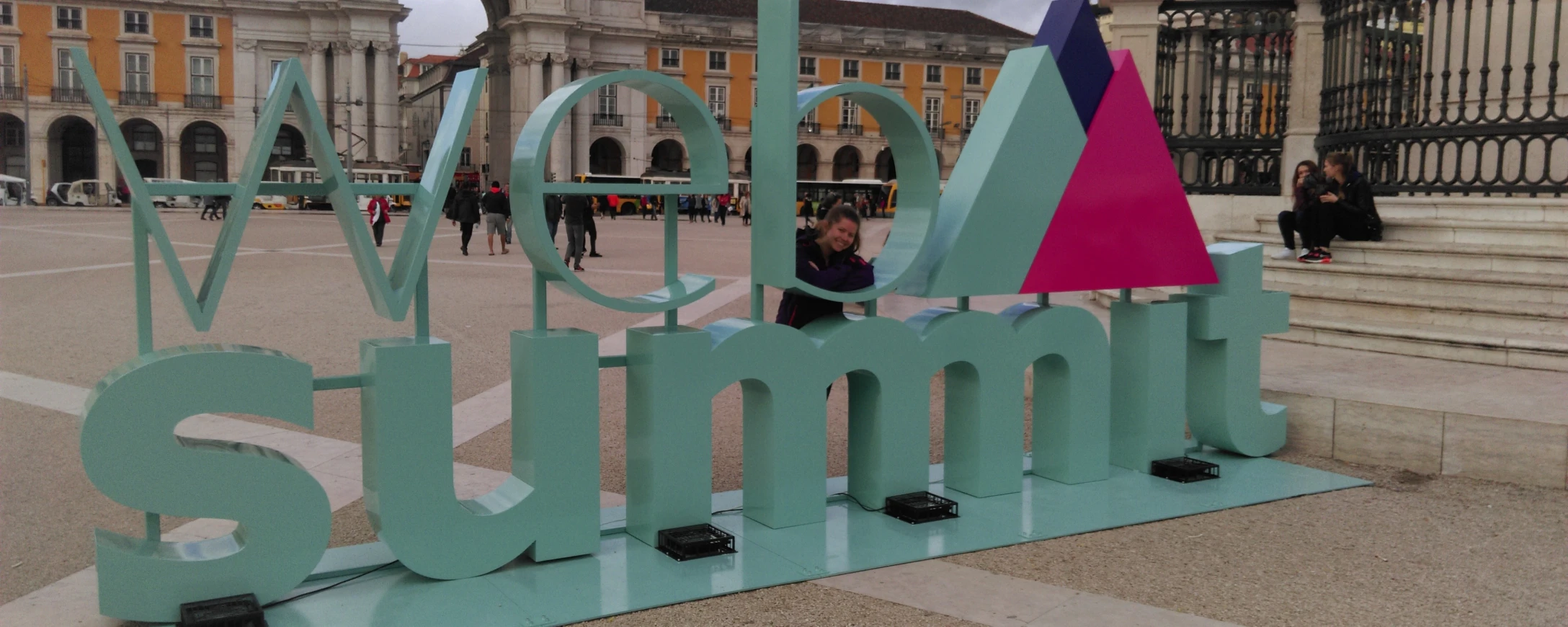
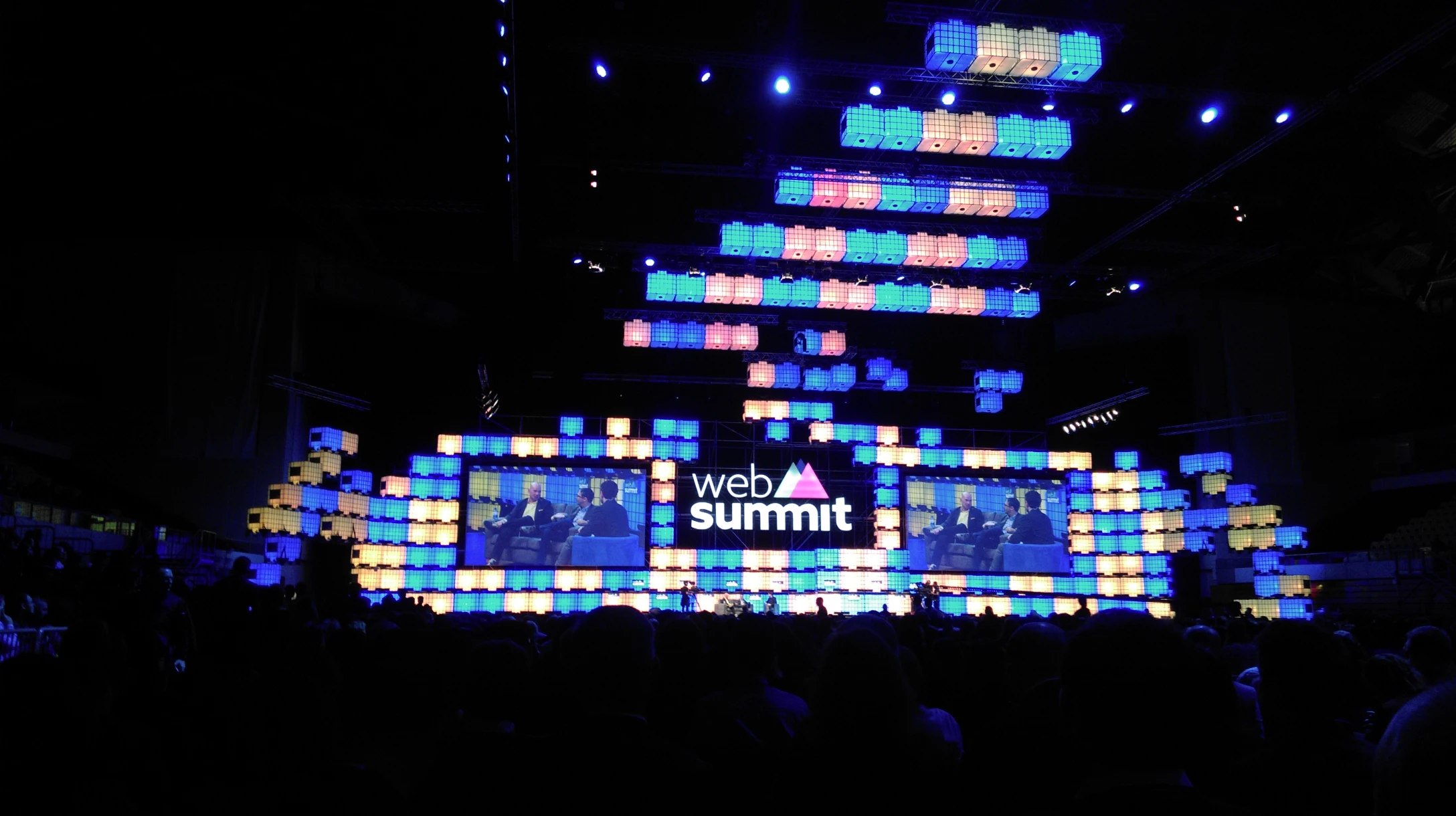
The conference program was packed with many well-known and lesser-known speakers from all over the world. And due to the fact that several tracks took place at the same time, I can only give you a brief outline of what was actually discussed at the Websummit.
For me, the first day was still a bit about orientation. Although I had marked exciting-sounding presentations in the Websummit app, I soon realized that I wouldn't be able to see all of them as I had thought at the beginning. So for the next day, I decided to spend more time looking for inspiring input in one of the halls. Nevertheless, I took away quite a few insights on the first day, even if I can't use everything in my personal day-to-day work:
E-mail marketing will die out, as today's youth almost exclusively use messenger or social media platforms for their communication. In their opinion, emails are only for adults because the medium is not fast enough.
The media landscape is changing. Not only is the number of distribution and communication channels that can be used today increasing. Certain channels are also slowly dying out, such as the landline network. It is therefore necessary to develop scenarios that do justice to this development. However, this also means that you can and should become more creative in order to attract the attention of consumers with the latest technologies. It also helps to use multiple channels to better reach the audience. My final learning in this area is that some channels help to build trust, for example TV. As TV campaigns tend to be more expensive, potential customers automatically think that it is already a successful product because there is obviously a lot of budget for TV campaigns.
You prevent your product from ceasing to be relevant by stopping improving the solution you have found for a problem. You should rather ask yourself whether there might be a better, different solution for the same product after a while, so that you don't fall by the wayside and get overtaken by the competition.
According to the "Next Generation Workplace" talk, networking will be the most important thing in the future, as sharing ideas or problems in a large network can lead to great things, because not just a few, but many can contribute. WORKPLACE - a new software from Facebook is supposed to provide the solution. On the second day, various talks also mentioned that social networking is important for millennials and added that it is currently more the case that young people are not committed to one network, but use different messengers and platforms and may therefore be even more networked - or less aware of it.
Customer feedback is important, and it is also important to implement ideas from customers. However, it is even more important to find out whether there is an alternative approach. Because even if the customer's ideas seem good at first glance, it may be that the underlying problem that is to be solved can also be solved differently (e.g. more simply).
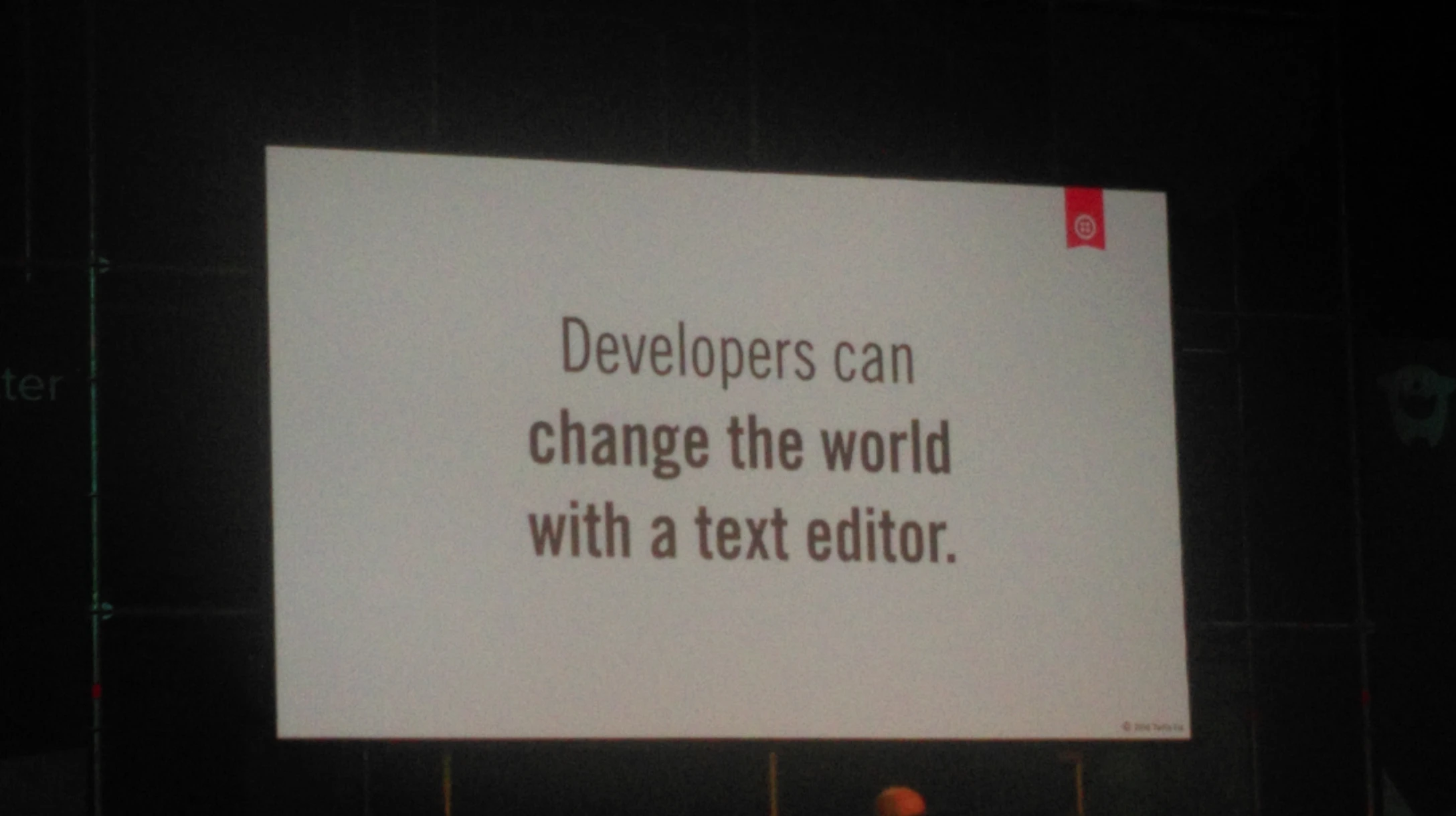
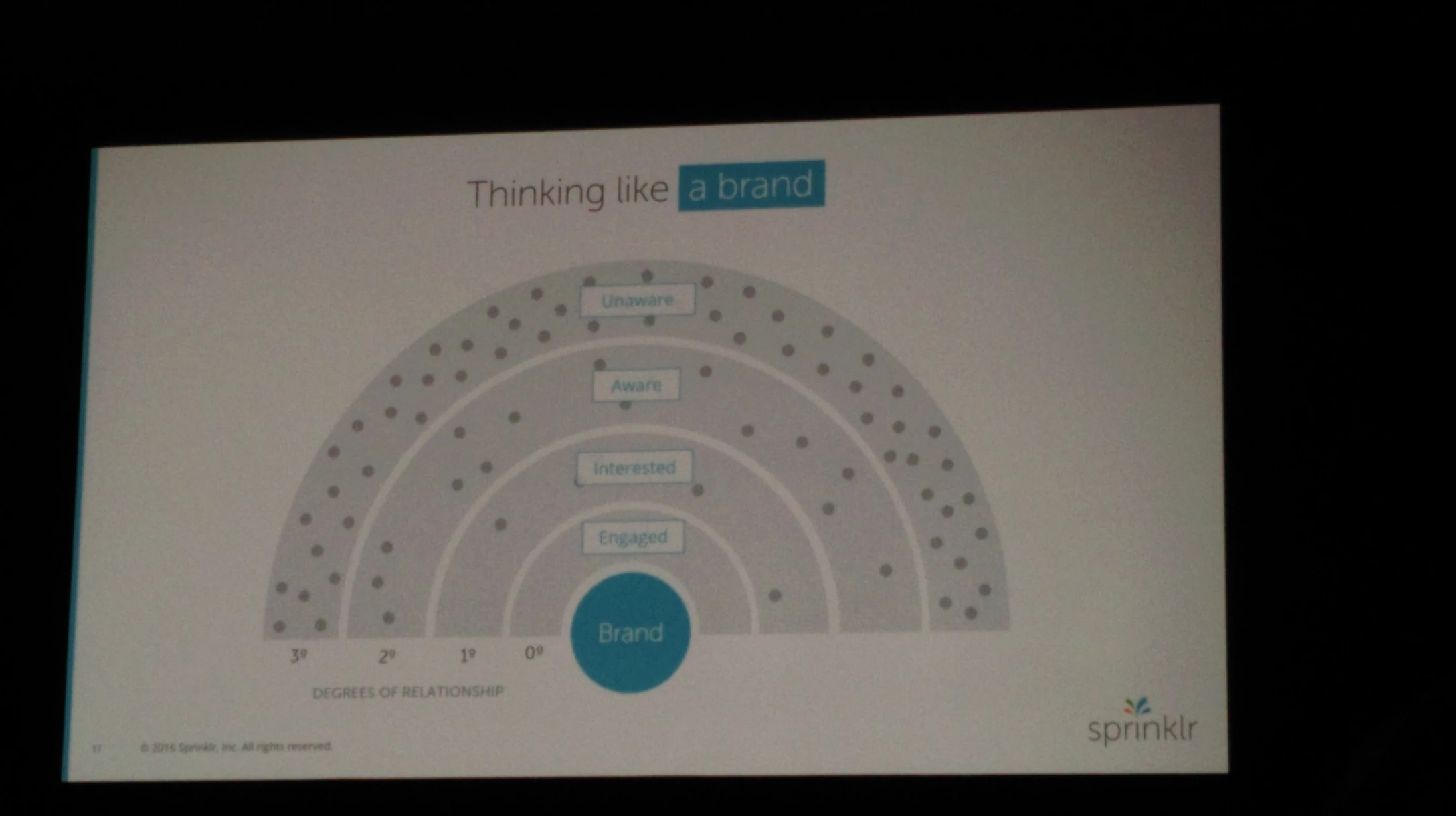
And what I also learned: as a large company, you can realize effective and unusual (albeit expensive) campaigns, especially if you combine them with new technologies. For example, Coca-Cola implemented a great and emotional campaign with drones and not only made the "affected" people happy, but also did very good advertising for itself: https://www.youtube.com/watch?v=zlA9tXYxD8g&feature=youtu.be
The second day had an overarching theme - millennials - which was mentioned in most of the talks and discussions or was the main topic. At least on the stages I attended: PandaConf (marketing stage) and the SASS Monster (software-related topics). The most interesting insights I was able to take away from the various talks include the following:
Trust and loyalty are won through good customer service and only through that!
Just because users are too stupid to use your product properly (e.g. driving a car quickly into a wall), you shouldn't leave them alone, but take precautions to minimize damage. When it comes to login security, Facebook's head of security has made some great suggestions on how the login process can be improved: e.g. do not send the email generated by pressing the "Forgot password" button to your own email address, because in case of doubt it has been hacked, but to trusted friends that you have previously defined.
What you should know about customer service in relation to millennials:
they gain experience and not money (even if they still want to earn a lot, of course)
they are networked. This makes them multipliers. This can be both positive and negative for a brand
they expect very short response times (e.g. for complaints)
A study has shown that if a millennial falls in love with a brand, they will probably buy everything that brand produces in the future
Acting instead of talking: Instead of thinking or discussing at length about whether to invest in certain social networks or try other low-cost things, for example, it is better to do them and learn from the mistakes if necessary
Authenticity is important to millennials and "trust does not scale".
Even though I had not only had good experiences with the marketing stage the day before, i.e. I had listened to talks that did not bring me any added value, I decided to spend a lot of time there on the last day and only occasionally move on to other stages. And unfortunately, on the third day, I also found that most of the information given was what I had already heard. Be it that we check more reviews nowadays before we buy something, even if it's for small amounts of money, that there are more and more new distribution channels (as mentioned above) that you wouldn't have previously been aware of, such as Instagram. And a debate about adblocking with all its pros and cons was not the most exciting either. There was also a lot of talk about what it takes to be an entrepreneur or CMO (passion) or how social media has changed our lives. In my opinion, it was not quite a successful conclusion - at least I had expected more. Especially when I think of the last talk, which was quite interesting (future of the Hyperloop), but after its conclusion I would have expected a big closing event. But well, the Websummit was certainly interesting.