Cancel
Start searching

This search is based on elasticsearch and can look through several thousand pages in miliseconds.
Learn more

Meeting the needs and requirements of your target audiences should be the top priority in all decisions regarding your corporate website. After all, when your customers are satisfied, that’s where your added value lies! This applies, for example, to visual and technical quality, accessibility via mobile devices, search engine optimization, and much more. Last but not least, your corporate website is one of the cornerstones of your content marketing strategy. That’s why you should also keep the following aspects in mind:
A company website cannot be an end in itself. Only when your website meets the needs of your target audience will it be used and help new customers online form the desired impression of your company.
To be easily recognized and make an impact through your visual appearance, you need a consistent and cohesive design that is reflected in the website’s layout. Your corporate website is the face of your company on the Internet.
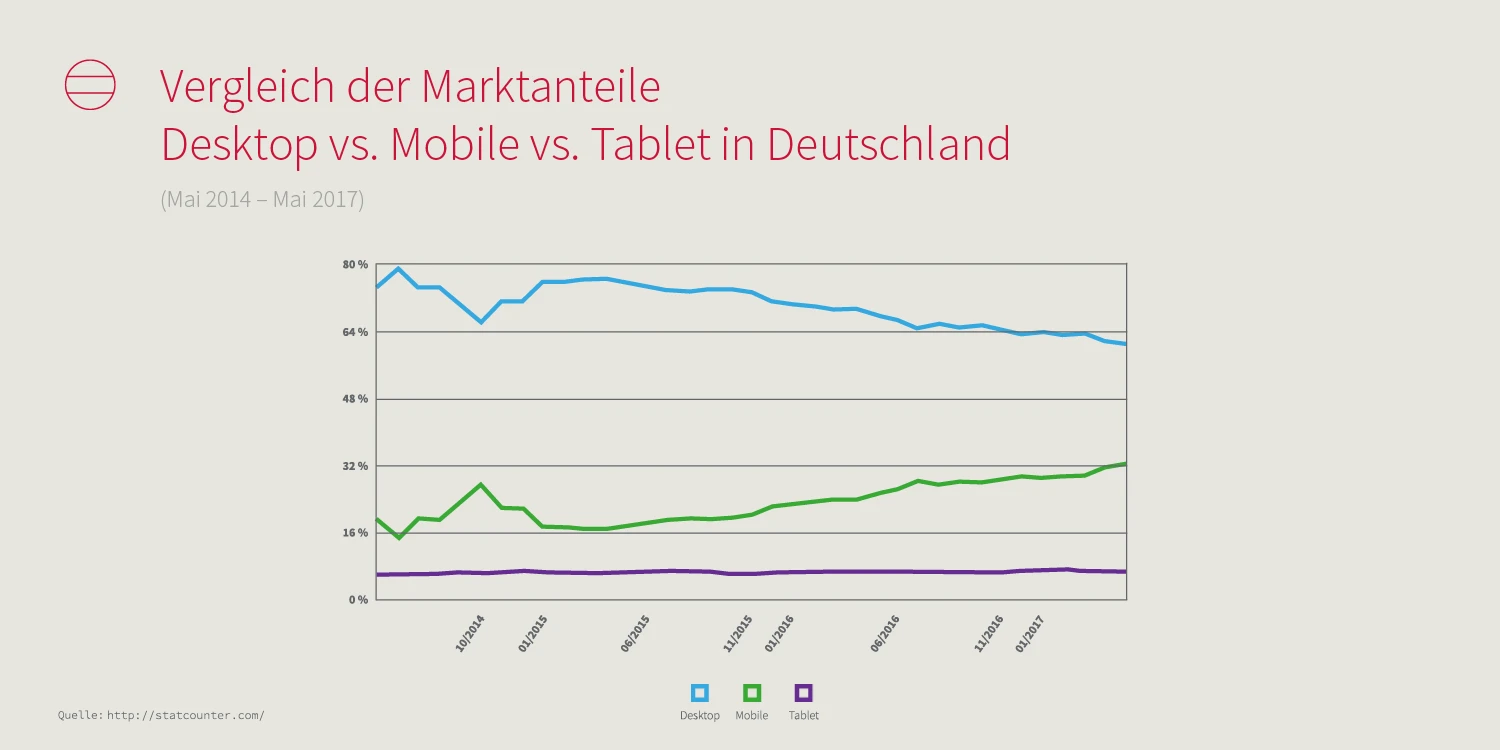
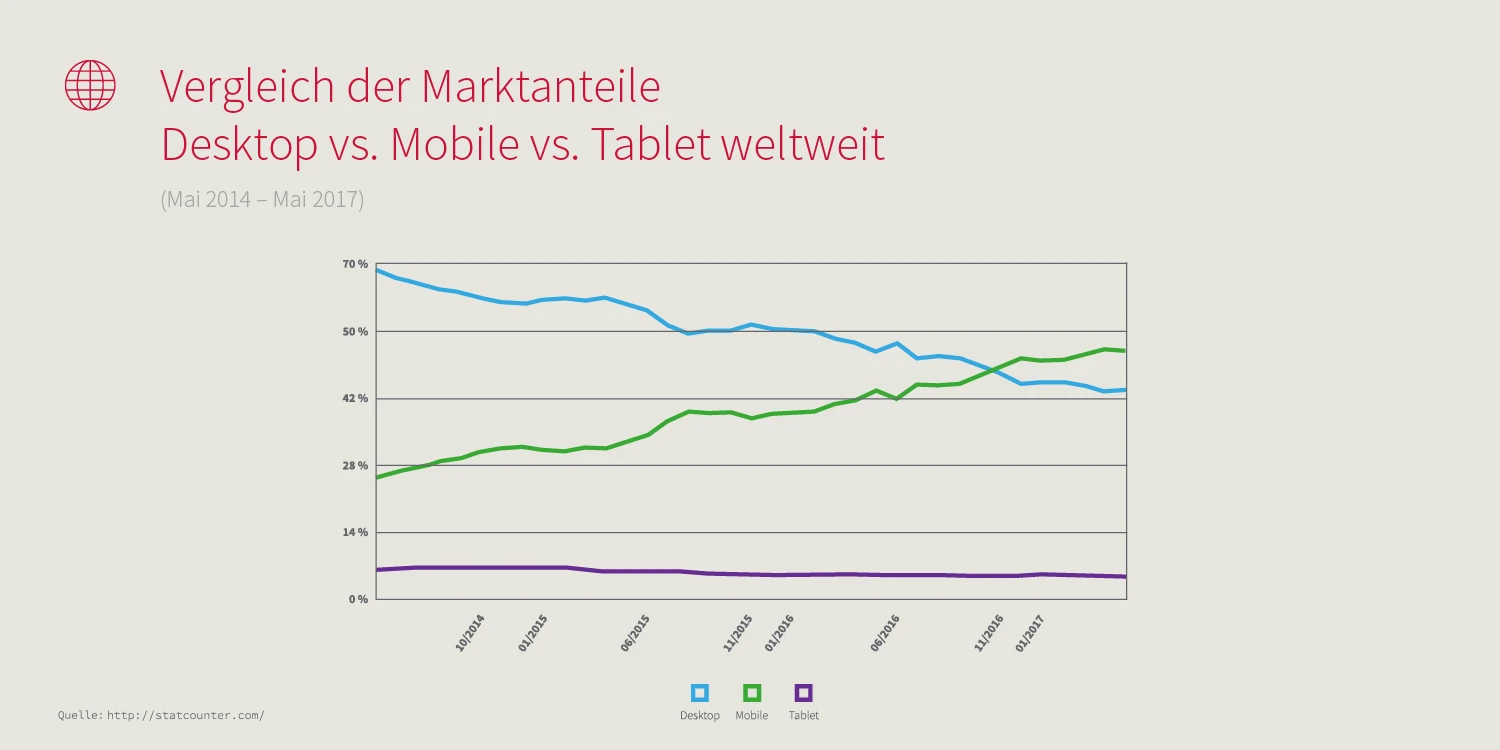
As early as the beginning of 2015, 25% of all web visits were made from a mobile device. More affordable mobile data plans and high-performance displays are driving this trend.
Therefore, it saves your users a significant amount of time if they can access information on the go or, for example, send you a message via the contact form on your website while riding the train. That’s why “mobile first” is now the “state of the art” in technical implementation.
It has to work—not for you or the programmer, but for your users! Only if they feel comfortable on your website will they be happy to come back and interact with you through it.
Even the most beautiful and best corporate website is useless if people can't find it! In addition to keyword analysis and optimizing editorial content, it's important to create the optimal technical conditions for a good search engine ranking.
Users will only come to you if you have something to offer them and they find what they’re looking for. Tailor your content specifically to the interests of your target audiences. While you’ll need to create the content yourself, marketing automation tools like HubSpot, Marketo, or Pardot can help you distribute it effectively across different channels and optimize it in other ways as well.
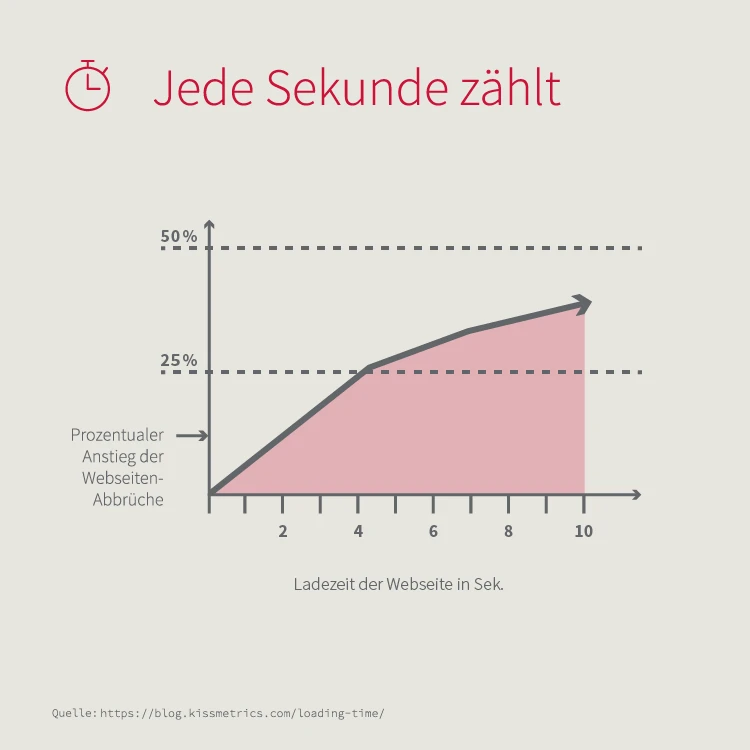
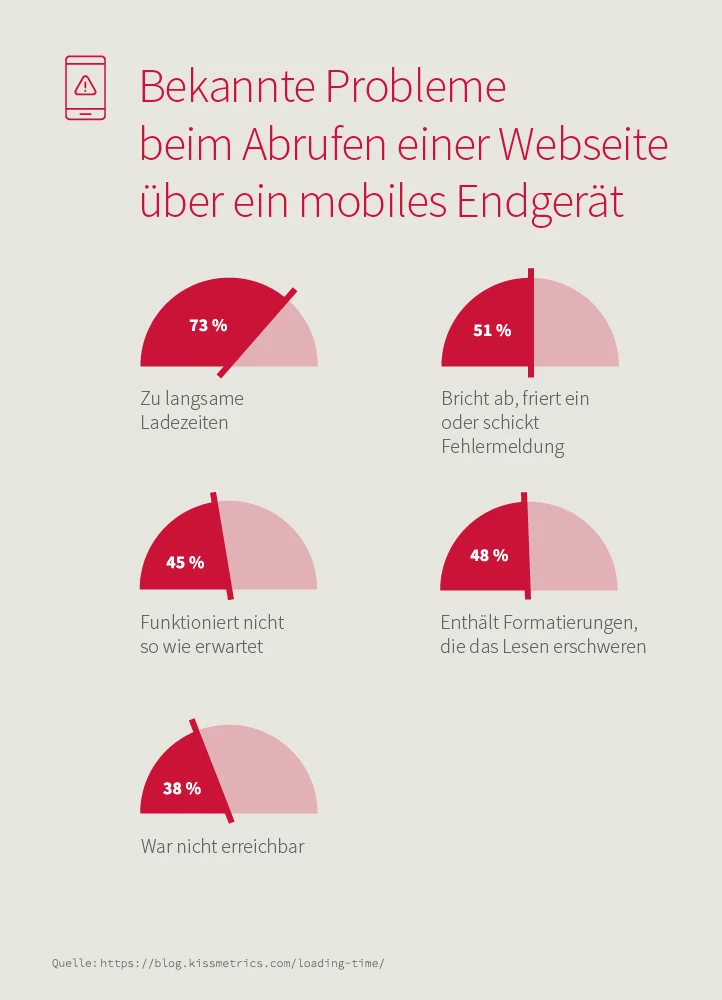
It is precisely this mobility that increasingly requires a website to be high-performing, because it must load quickly even on a smartphone while on the go! Using monitoring and analytics tools such as Ryte (formerly OnPage), GTmetrix, Gatling, Google PageSpeed, and TestMySite, you should continuously work on improving performance to ensure that visitors don’t leave the site prematurely due to long load times.
TYPO3 and Neos can be used to implement customized online solutions for a wide variety of editorial requirements. Both content management systems are open source, meaning there are no license fees, and the code is customizable and extensible. Custom features or integrations with external systems are implemented in a modular and tailored manner using extensions.
At the intersection of internal and external operations, your website serves as a tool for transforming customer requirements into internal business processes. Minimizing friction makes it easier for your users to interact with you and saves on internal labor.
Atpunkt.de, we work with you to find comprehensive solutions tailored to your specific use case and the digital challenges you face.
The “Continuous Relaunch” development principle requires that the latest updates to the website can be deployed online at any time and without complications—and without errors! To this end, it is recommended to use automated testing to ensure that changes do not lead to unwanted side effects. Automating deployment saves time and prevents errors caused by manually transferring the code.
To keep all of the above factors in mind—and, above all, to ensure they remain up to date—a “Big Bang” relaunch after x years is no longer effective. Instead, the principle of continuous improvement applies—in the case of a website, this is referred to as a “continuous relaunch.” Quick response times to competitive demands and constant optimization in short iterations are the order of the day in many market segments to ensure that companies do not lose ground to the competition.