Cancel
Start searching

This search is based on elasticsearch and can look through several thousand pages in miliseconds.
Learn more


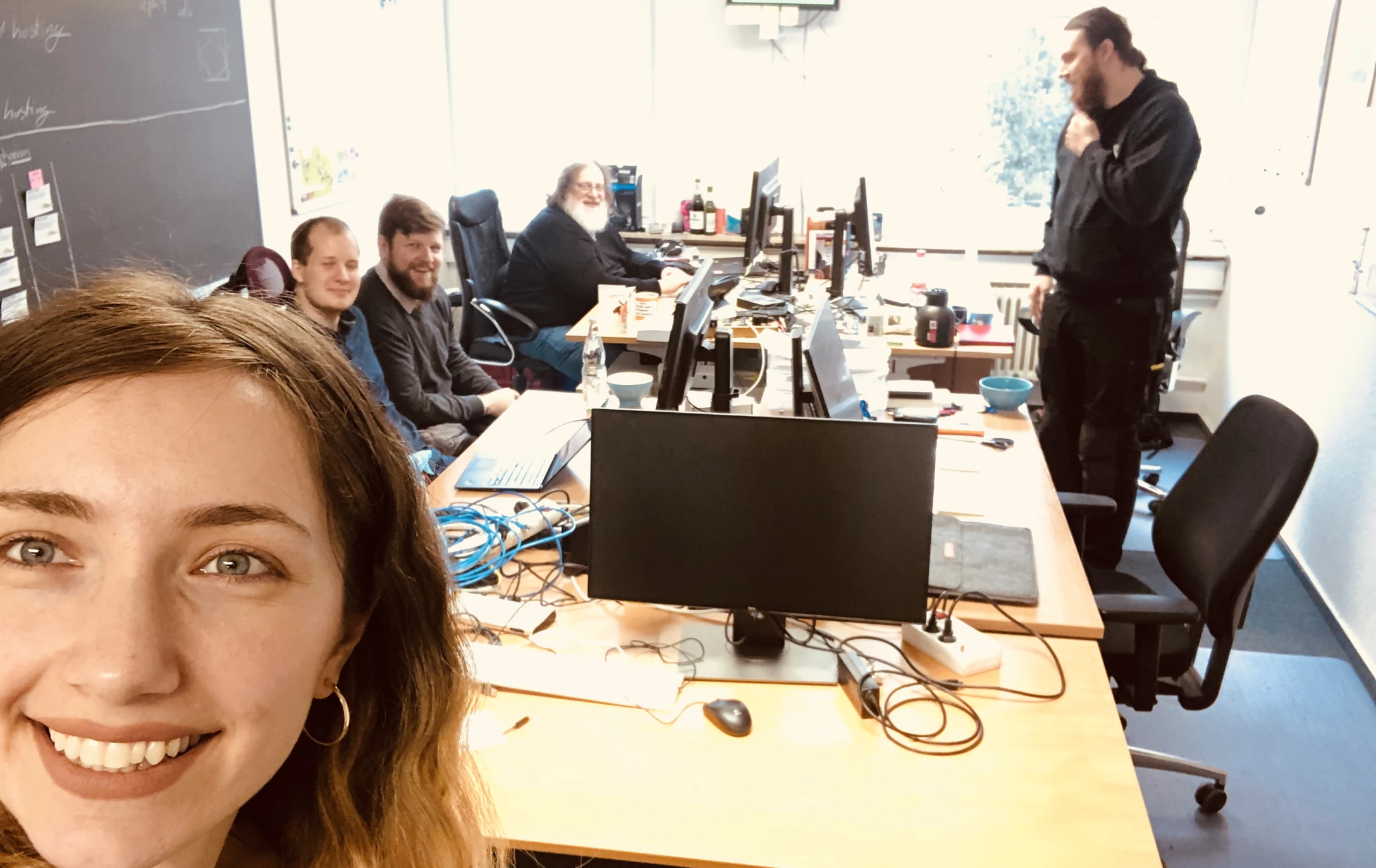
On this day, the focus is on learning, curiosity, and fun. We try new things with our customers in our day-to-day business as well, but on Just-do-it Day, we can experiment with completely new ideas—unconnected to our day-to-day operations—that don’t serve any immediate productive purpose.
Here’s a selection of the topics we covered on Just-Do-It Day.
In his work as a Scrum Master, Horand had compiled a large collection of different methods for retrospectives. His goal was to categorize this collection, make it searchable, and make it available to other Scrum Masters. To this end, he designed a categorization system with a pairing partner and sorted the methods not only into different categories but also into the five phases of a retrospective. At the same time, Paul and I programmed an application that can capture the methods and display them in a filtered view. Unfortunately, the application isn’t finished yet, but development will definitely continue.
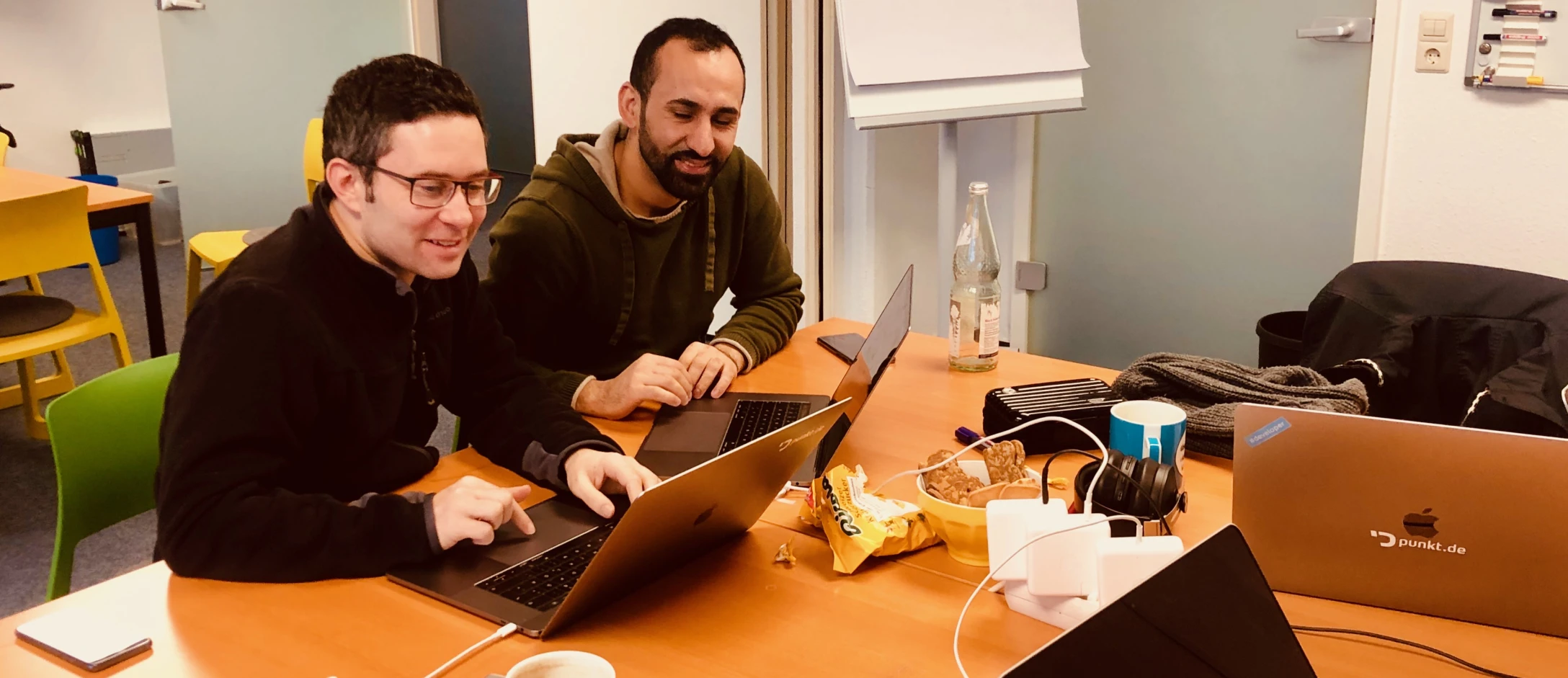
(Almost) all developers have used CodePen or a similar application at some point to quickly and easily run code, view the results, and share them directly and effortlessly. For Neos and the Fusion language used within it, no such application exists—until now. One of the teams has developed an interface that now lets you run your code snippets easily and instantly in the browser. We’ll be releasing this application in the next few days so that everyone can benefit from the results of our “Just-do-it-Day.”
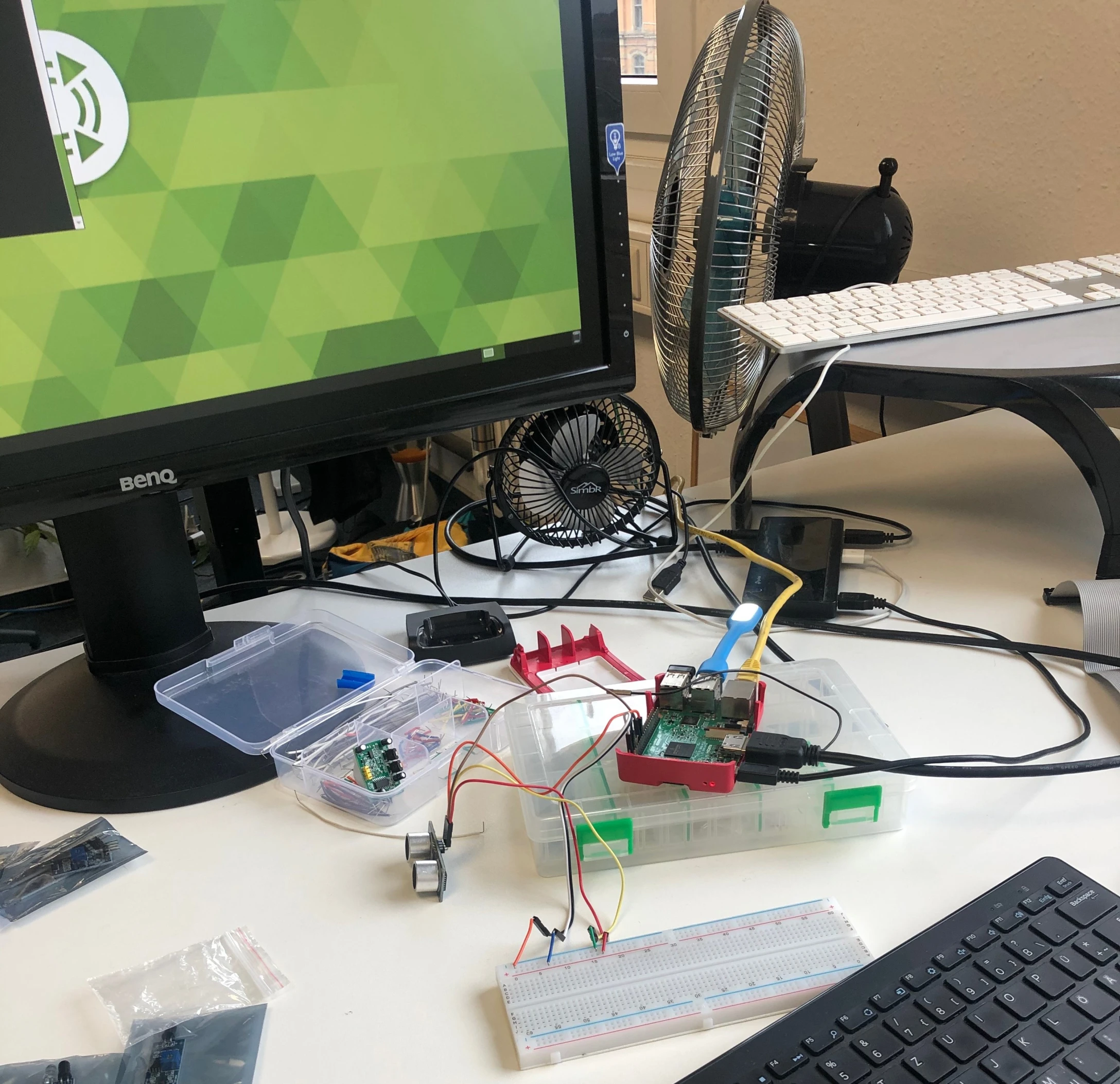
Even as a web development company, we sometimes want to understand how code translates to hardware. To do this, Weiye got a Raspberry Pi, the necessary sensors, and a USB-powered light. As a team, we then connected the motion sensors, the Raspberry Pi, and the lamp and programmed software that turns the lamp on when someone approaches the system. Combined with the light sensor, we ended up with a lamp that turns on in the dark when someone approaches. Okay, you might be thinking, “I can buy that at the hardware store for €24.95 and even use it to light up my front yard.” However, in that case, you’d just have a lamp that lights up when it gets dark, and that’s all you could do with it. But you wouldn’t know “what holds the world together at its core.”
A subteam from the IT department, led by Jörg, who came up with the idea, took some servers that just happened to be idle and installed a Ceph cluster on them. This is a file system that can store data across multiple computers and has no single point of failure. By the end of the day, a cluster with the appropriate monitoring was up and running. There just wasn’t much to see—no one had stored any files on it yet.
Since TYPO3 v9, there has been a dashboard extension that allows users to define custom dashboards. Since we’ve rarely used this in our day-to-day operations so far, Alex and his team took on the task of setting up the dashboard and immediately created the most important dashboard widgets:
There’s now a widget that displays statistical graphs of TYPO3 data. Of course, we couldn’t leave out the widget that takes you directly to the punkt.de website with just one click. But the most valuable widget was the “Chuck Norris Facts” widget, which lets us pull the most important facts about Chuck Norris directly from a dedicated website. Again, this is more than just a gimmick! Of course, you can also display data from other relevant websites on the Internet or intranet as widgets.
Personally, I think Just-do-it-Day is great because it gives me the chance to try out new and old ideas that have always been sitting in that famous drawer. This day gives me the opportunity to put these ideas into action and see if they might be more than just ideas in a drawer. I’m already looking forward to the next Just-Do-It Day in about half a year.