Cancel
Start searching

This search is based on elasticsearch and can look through several thousand pages in miliseconds.
Learn more

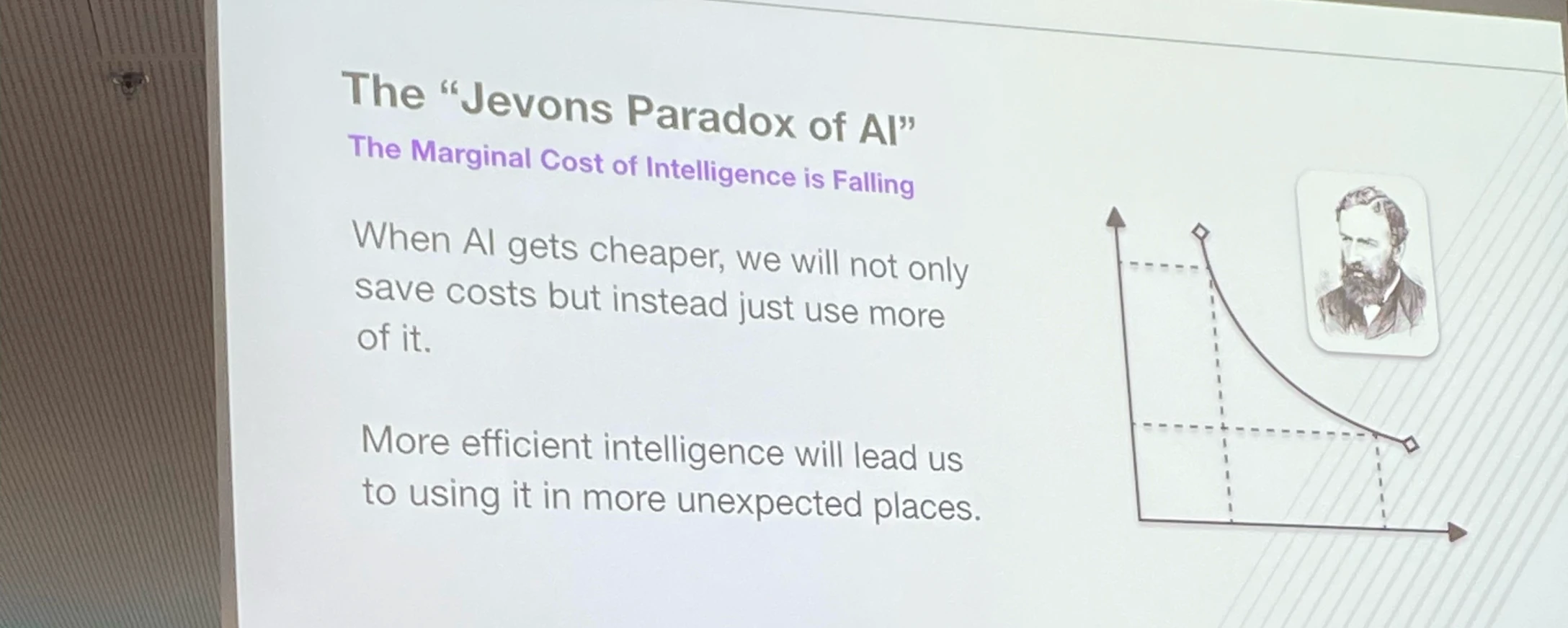
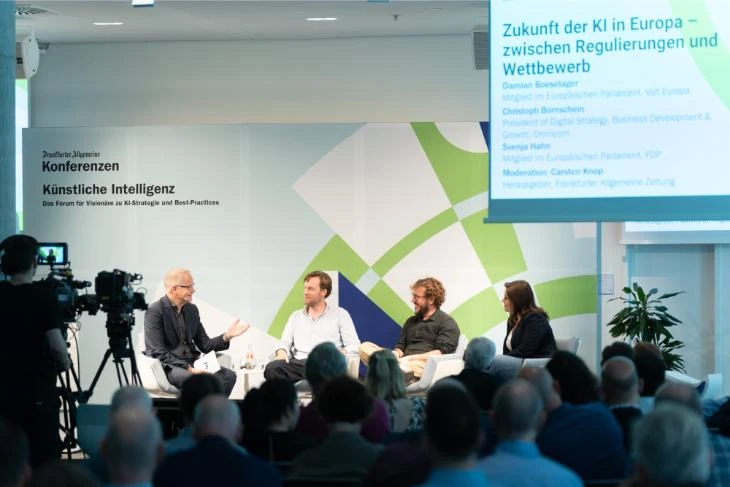
The topic of artificial intelligence (AI) and its use cases and applications occupies me both privately and professionally. I am also very interested in the current state of research and the outlook for the future. So the "F.A.Z.-Konferenz Künstliche Intelligenz #2" in Frankfurt came at just the right time.
In a very successful format of presentations, use cases (e.g. SAP & Elastic) and panel discussions with top-class guests such as Richard Socher (CEO of you.com and former chief scientist at Salesforce), Hamidreza Hosseini (CEO of Ecodynamics) and Prof. Dr. Holger Schmidt (head of the FAZ editorial team and professor at TU Darmstadt) managed to get a good overview of where we currently stand in the age of AI and where the journey with new agents and models could take us.
As abstract as much of AI research may seem, many use cases are real. Agents are able to reliably take over work processes and fully automate them, for example in industry. The pace of development is rapid, and yet all the presentations leave me with the uneasy feeling that we in Europe, and especially in Germany, are not yet prepared for this revolution in many areas.
In times when there is a shortage of skilled workers and general productivity is falling, AI could be a solution to efficiently deploy the skilled workers that are still available.
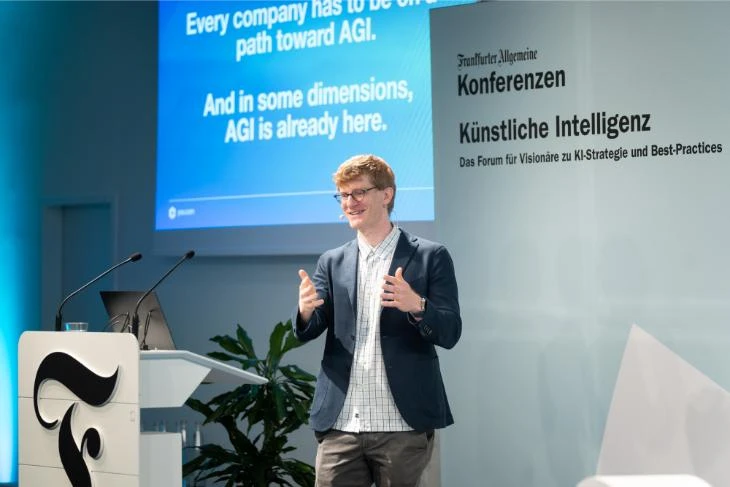
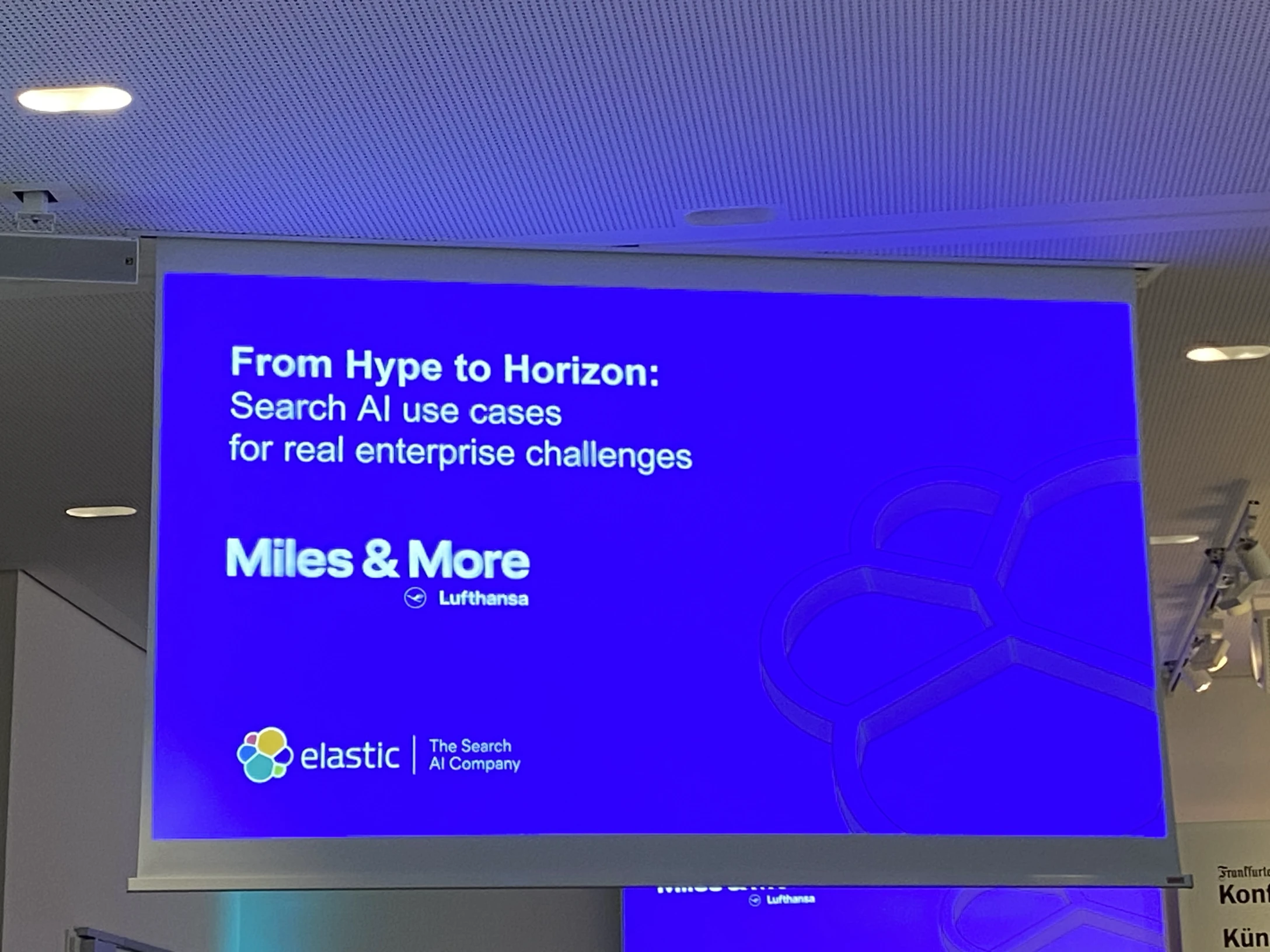
A good example of this was presented by the colleagues from Elasticsearch in their use case with Miles & More, which belongs to Lufthansa. They implement fraud detection with Elastic to detect patterns and anomalies in their miles programs with the help of AI. The data from the logs of the various systems can be used to train agents who can then act independently or filter events. This relieves employees of the burden of fraud detection. This saves Miles & More a lot of money in prevention and makes efficient use of specialist staff.
Much of this is not new. Elastic has long been able to process and visualize large amounts of data and is also used by us in customer projects used by us in customer projects. What is new, however, is that automated reactions and the training of agents with AI are now possible.
AI can quickly find its way into well-positioned and already digitized companies. However, this digitalization is still in its infancy for many companies, especially SMEs.
Data is often not available at all or only partially digitized. As a first step, this data needs to be digitized and, above all, structured so that the great potential of AI can be leveraged. As an agency that specializes in the digitalization of SMEs, we know how difficult it can be to get started here.
Nevertheless, it must be done, otherwise your own company runs the risk of being left behind by the AI-digitized competition in the future. I am even more convinced of this after the conference than before.
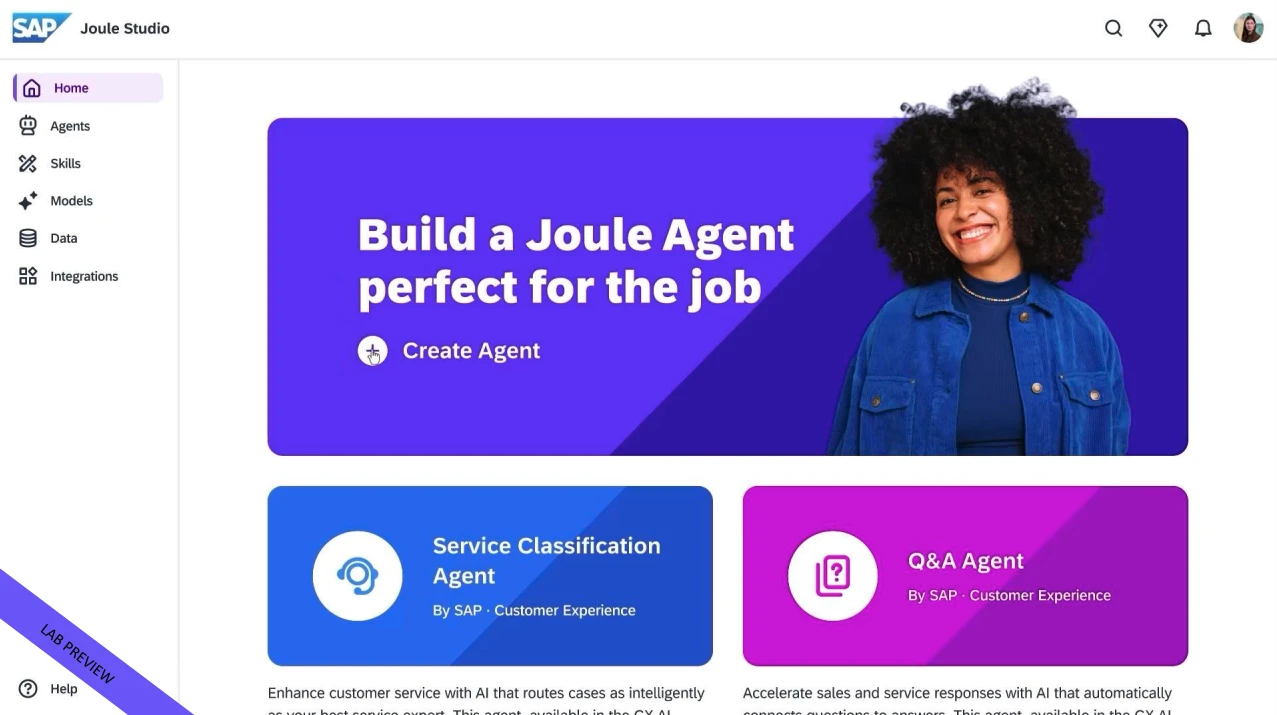
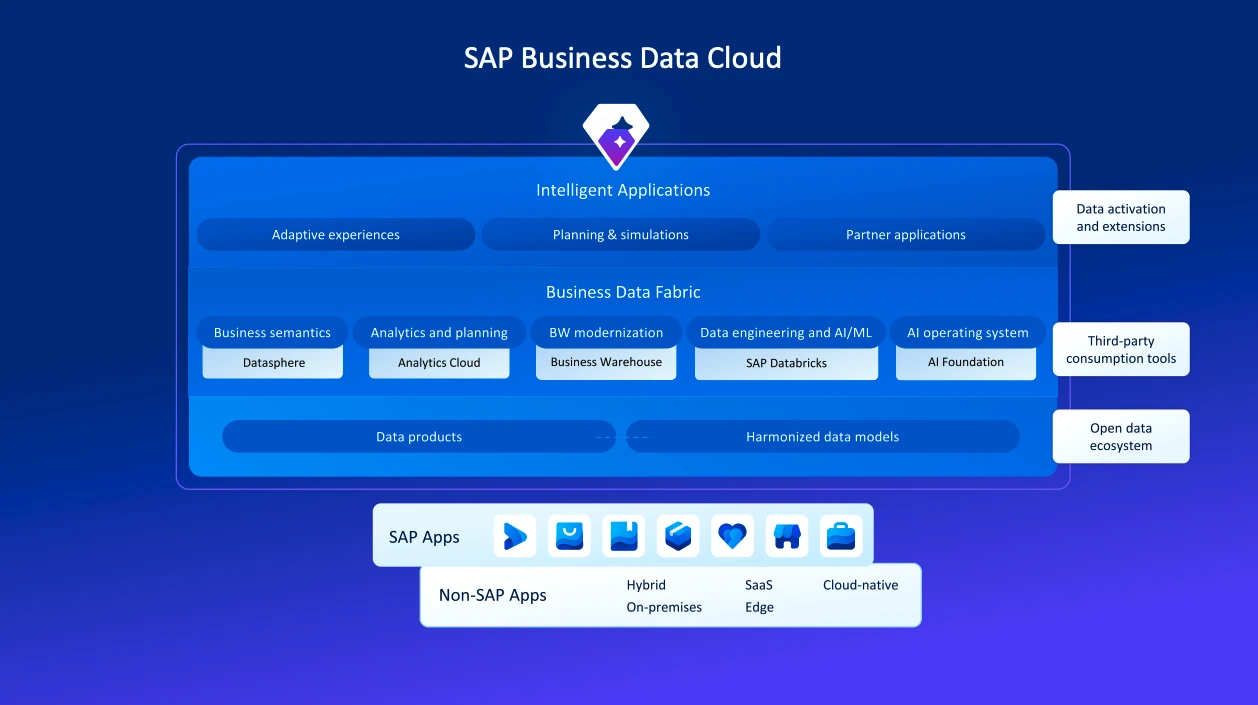
Larger companies can rely on solutions, e.g. from SAP, and use SAP Joule Studio and the SAP Business Cloud to create their own agents that can access all SAP data. A very exciting presentation by Martin Guther from SAP Germany demonstrated this using the simple creation of an agent for tender processing, which significantly shortens the creation of documents. But here, too, the data structure and, above all, the data quality are crucial. The presentation was entitled "Garbage in, garbage out - data as the key to AI transformation " - it couldn't be more fitting.
This is where the mixed feelings come in. It is absolutely clear what needs to happen for European and German companies to be able to compete internationally. But instead, the focus - including at a political and regulatory level - is very much on the risks of the new technology. These must of course be taken into account, but they also threaten to slow down innovation and create uncertainty when investing in digitalization and AI.
Particularly in difficult economic times, digitization must not be put on the back burner for SMEs. Otherwise they could be in for a rude awakening. In the industrial revolution, it was the steam engine, later the internet and now it is AI that is turning our world upside down. What a time to be alive!