Cancel
Start searching

This search is based on elasticsearch and can look through several thousand pages in miliseconds.
Learn more

Digitize quickly - that's the order of the day in corona times. I recently held a webinar for Bitkom entitled "Retail in times of the coronavirus crisis", in which I compiled many tips from my experience. Here are the most important aspects from my point of view - whether you have your own retail store and want to enter the world of eCommerce or you want to start or expand a webshop project.
First of all, you should ask yourself whether you want to stay digital after the crisis. I kriege often hear "of course!", but many people don't really back it up. Whether you are forced to digitize because of the crisis or are thinking about digitization in general, be aware that digitization always means continuous maintenance and further development.
It is difficult if you already have a large product portfolio, for example as a retailer. In this case, it pays to set priorities when entering the online world and concentrate on the core product first.
And this entry doesn't have to be that complicated. Take Meder, for example: the Frankfurt store sells household goods, toys and model-making articles. The core business caters to the typical "Saturday shopper" in the city: you go into the store and browse, get inspired. During the coronavirus crisis, they have managed to bring this experience online with extremely lightweight digitalization: Facebook ads placed, guided through the store via video chat. For example, parents can ask questions about how to keep their children occupied at home. This brings the core competence into the online world. Of course, such a measure has to get off the ground first, but the feedback was very positive - and the conversion rate was very high.
Another example of "lateral thinking" in digitalization: a shoe store in Delmenhorst filled the shop windows and put numbers on the shoes. You could then call, get expert advice - on size compared to other shoes, for example - and order directly. As you can see, sometimes you don't even need online tools for "online" retail!
I recommend clarifying the following questions:
As inspiration, here are a few tips that can help you tackle the "online store" project properly, and not just in times of coronavirus:
Of course, a lot of this doesn't just apply in times of coronavirus, but perhaps these points are particularly important right now - and a good motivation to take your entry into the world of online retail seriously and do it right.
Web store providers are a dime a dozen - from "click-together" to agencies that implement special solutions. Here you will find the most important solutions and what speaks for or against them.
This solution is ideal if you have an existing website whose system you are comfortable with. Then you can use systems such as Aimeos , for example, which integrate a store into your TYPO3 website.
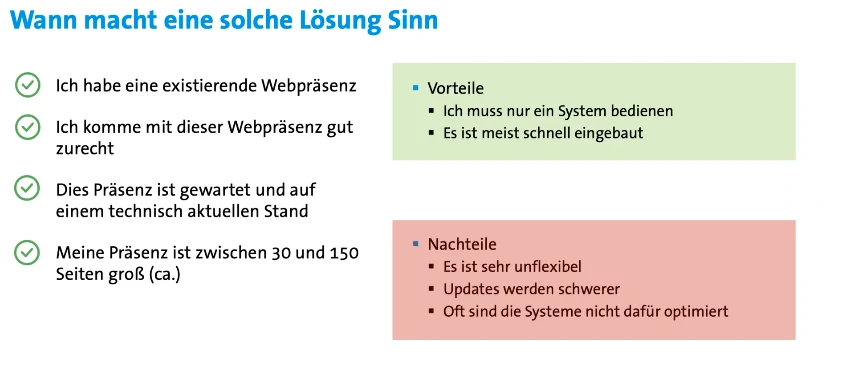
A separate, dedicated web store is a clean solution - you can build it from scratch and don't have to deal with compatibility between systems, complex updates, etc. However, the transition between website and webshop is often difficult for customers. Here you need to pay very close attention to good user guidance, explanations etc. to at least mitigate the problem.
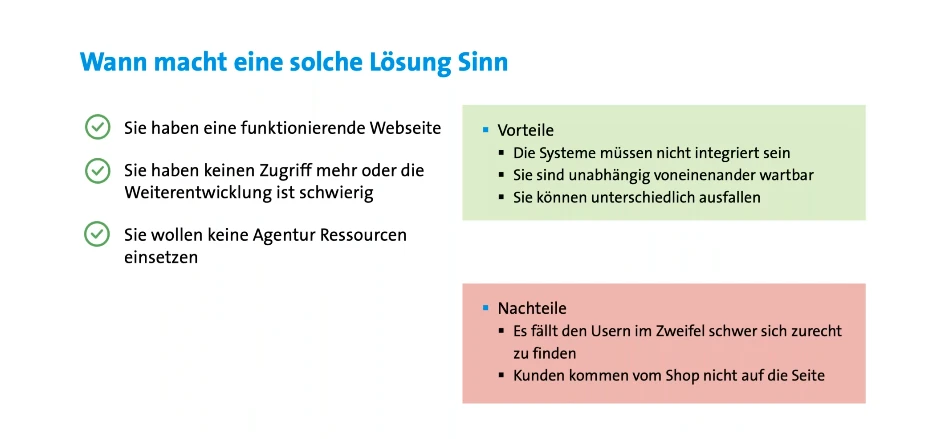
These modular systems allow you to "click together" a webshop online and therefore offer the quickest and easiest start. Of course, there are also limitations depending on the system - it is quite possible that you are dissatisfied with the design, that you are missing an important function or that you cannot fully implement your ideas of user guidance. But the clear advantage is speed - and especially in times of corona, things have to be done quickly.
The most powerful solution is undoubtedly the full, seamless integration of a store system into your website system. As a rule, you need an agency like us for this. But then there are no limits: Is your store content-driven and you want to sell products directly from articles and content? No problem. Do you sell digital paid content, operate a "freemium" model and need complex and automated rights management? Or do you simply want to combine website content and store content for the best possible user experience? These and similar projects can be implemented with the open source framework Sylius, for example - punkt.de is an official partner. Of course, such a solution involves a lot of effort and cannot be set up overnight. On the other hand, it offers maximum flexibility and almost anything is possible.
Marketing in eCommerce is of course a topic in itself and can only be touched on here. Here, too, you can leave the beaten track in times of Corona and, for example, see what campaigns there are in local newspapers that you can join. Furthermore, there are now many platforms that want to support local trade - feel free to register everywhere, because there is currently no "top dog" among the platforms. By the way, you can find a very useful overview at Jimdo.
Whether in person or via video chat, communication always takes place, and with it the possibility of word-of-mouth advertising. Here it pays to prepare the story in a "bite-sized" way - what is there to tell? What is the story behind the store, the idea?
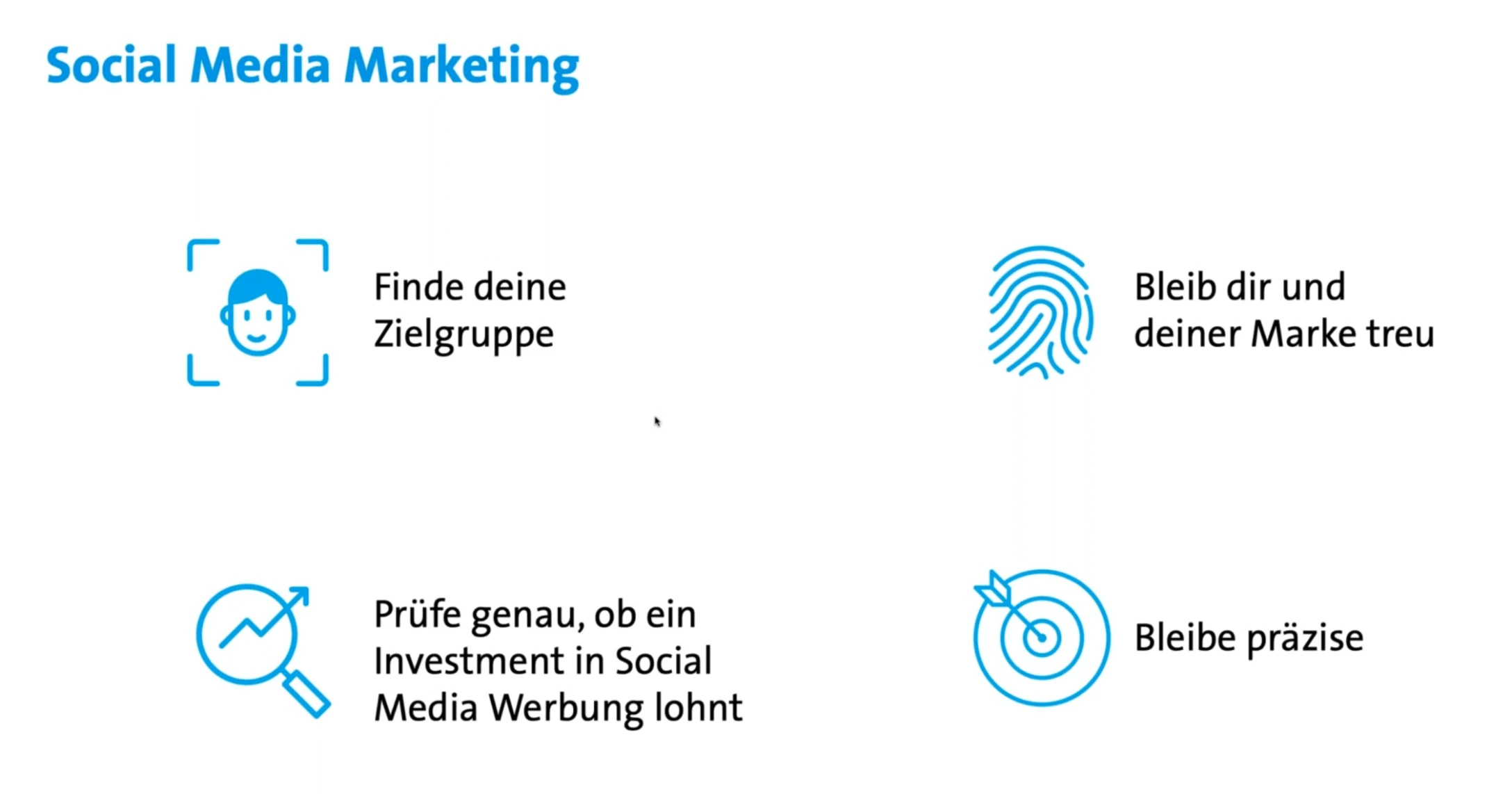
Last but not least, a word about social media marketing: even in times of crisis, it is important to think carefully about where you want to be active, what is really worthwhile and what the ratio of costs (time and money) to benefits is. Above all, you should remain true to your brand there too.
I hope these tips have inspired you to take a good path towards digitizing your business, especially in Corona times, and to inform yourself beyond the points I could only touch on here. Please feel free to contact me if you have any questions!