Cancel
Start searching

This search is based on elasticsearch and can look through several thousand pages in miliseconds.
Learn more
We bring our experience to bear right from the project planning stage and use modern tools to ensure short development cycles, transparency, and solutions that deliver results.
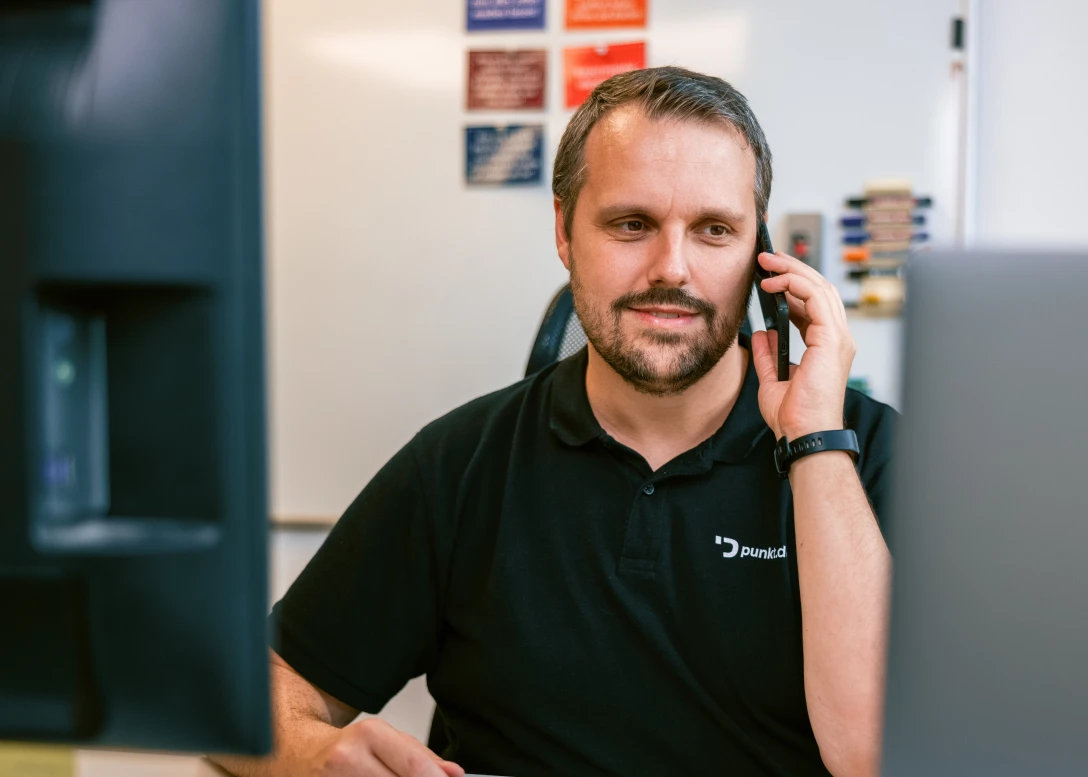
We don’t spend months planning everything down to the last detail—because we know that requirements change as the process unfolds, new ideas emerge, and real-world testing yields surprising insights. That’s why we prefer to develop functional subcomponents in two-week cycles. This saves time and money, and the results are better.
Specifically, we use Scrum processes—not only have we received formal training and certification in them, but we have also tested and refined them in practice over the years, including at the technical level.

You always have everything at a glance: whether it’s meeting notes, project plans, or the priorities we’re currently working on. We make this possible using tools like Jira and Confluence. These tools make requirements management, tickets, to-do lists, and project management simple and transparent. No document chaos, no lost information—and you always know where you stand.
But as great as our tools are, we don’t hide behind them: personal contact and communication are what matter most to us. You’ll always have a dedicated point of contact.

Thanks in no small part to the JIRA ticket system, everything proceeded in a very structured manner. We were able to track the project's progress at all times.
We bill in 15-minute increments using standard hourly rates. This way, you can always see where the project stands in terms of budget by checking the tickets. Of course, we only develop what you give us the "go-ahead" for.

We have over 15 years of experience with agile work environments. That’s why we know exactly which changes to agile work practices are effective and which ones are best avoided—so you don’t end up implementing “agility” just for the sake of it. We put this into practice in our own work—and we’re also happy to advise you on agile processes. Last but not least, you’ll get to experience agile work firsthand through our collaboration with you.

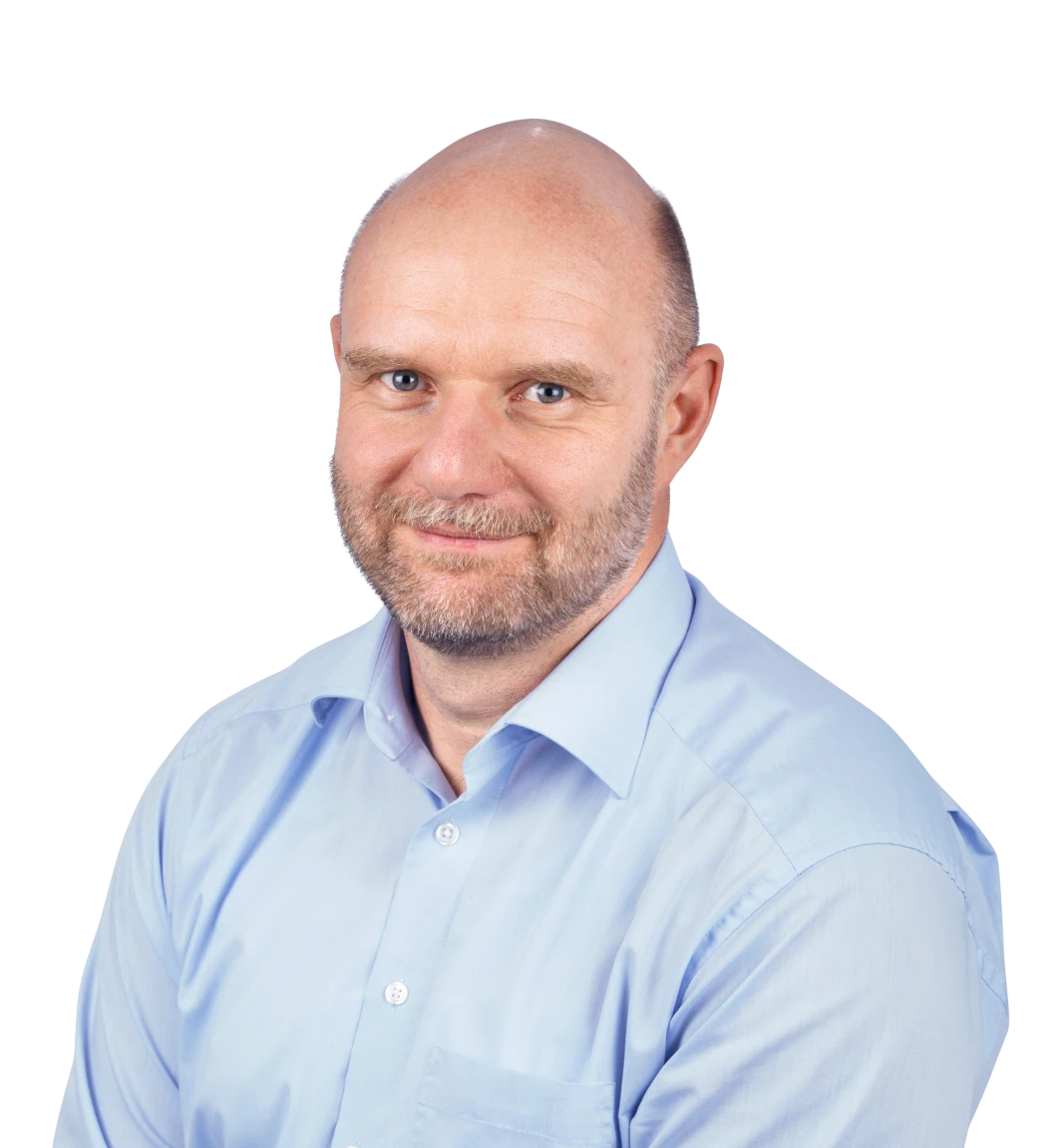
Extremely transparent, constructive, and fast—that’s how we would describe our collaboration with punkt.de.
Shortening release cycles and thereby moving more quickly into analysis and optimization: that’s what continuous integration makes possible. This means that new software is released in short increments, rather than us retreating into a “black box” for long periods of time only to then deliver a massive update. We consider Continuous Integration to be indispensable for modern software development.
Learn more on the Continuous Integration Process page.