Cancel
Start searching

This search is based on elasticsearch and can look through several thousand pages in miliseconds.
Learn more
Modern CMS, publishing suite, and online store. Open source, of course. Everything a digital publisher needs.
Learn how we supported Dähne Verlag GmbH in its digital transformation in this case study.
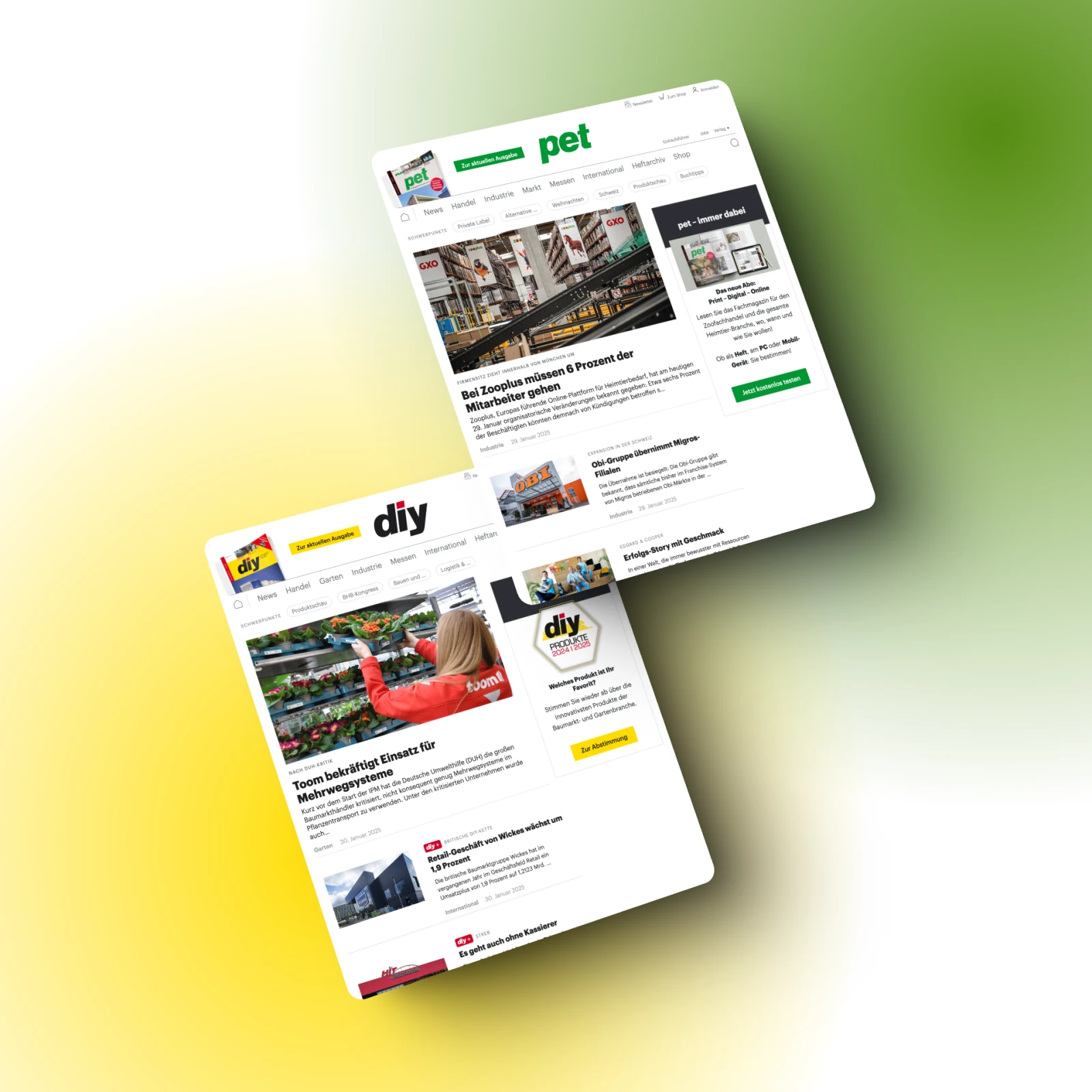
Dähne Verlag was founded in 1970 by Karl-Heinz Dähne. As a family-owned business, the publishing house is divided into two divisions specializing in technical information:
In addition, the publisher successfully produces magazines and an extensive book series on the hobby of aquarium keeping.
Dähne Verlag GmbH by the Numbers

Dähne Verlag came to us with a large ecosystem of diverse software, some of which was already quite old.
As part of this consulting process, a comprehensive digitization strategy was developed to prepare Dähne Verlag for the digital age. The strategy outlined the following core elements for the development:
The idea was to create a cross-media publishing platform with an integrated online store and intuitive content management.
An additional challenge was migrating legacy data into the new solution, which was not easy to automate due to the new information architecture. But we solved this problem as well.
The foundation for the websites of the four trade journals:
should be based on a future-proof and robust CMS that enables the integration of in-house developments such as the Publishing Suite and an online store.
At the same time, it should offer all the features expected of a modern CMS—including SEO, access control, workspaces, and much more— while also making it easy for editors to work. We chose Neos, an open-source CMS that we’ve already used in many projects.

Another part of the concept was to design the CMS architecture so that assets and certain elements from the four websites could be shared across them. This reduces the design and development effort. Nevertheless, the sites are separated as “site packages” and can be managed independently of one another.
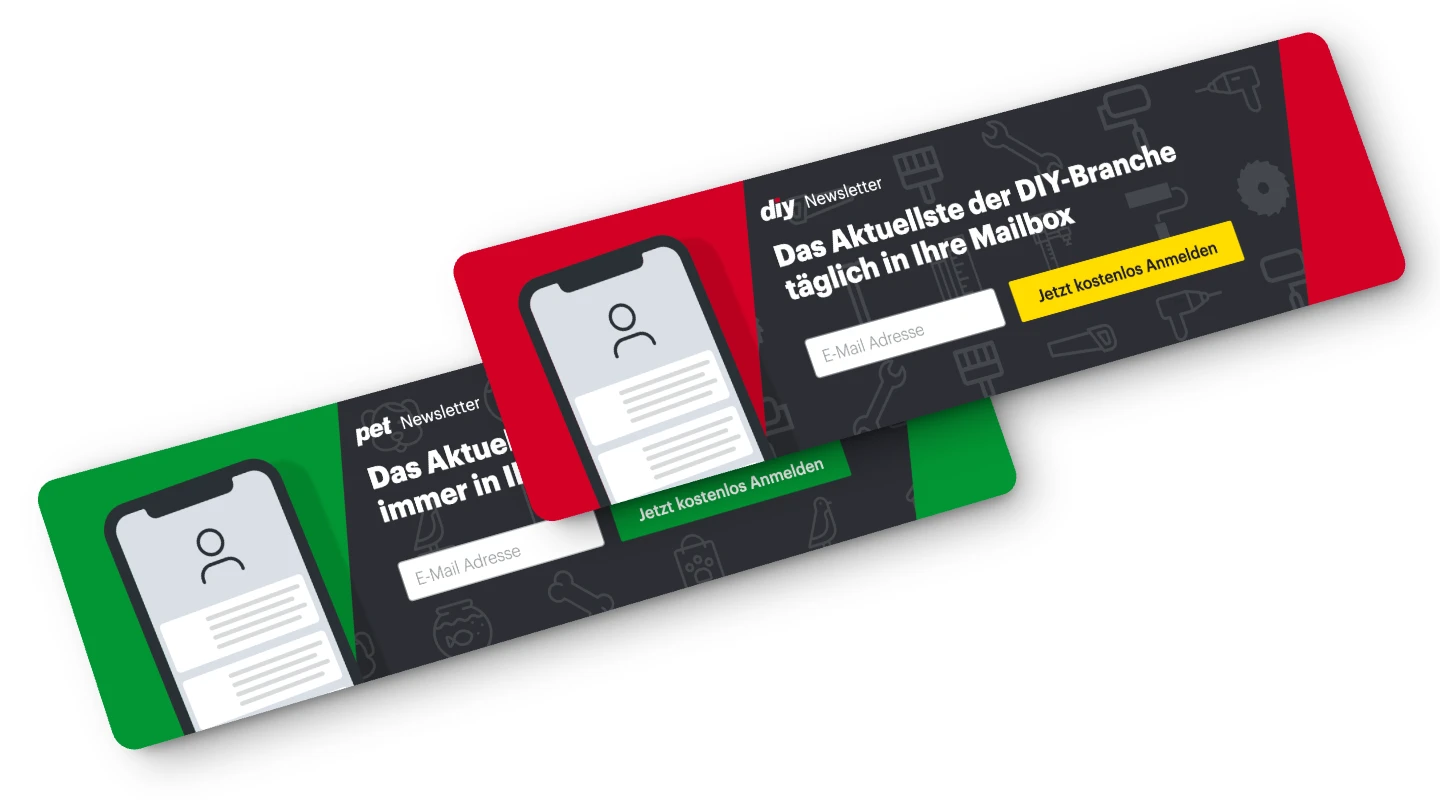
One example is the newsletter, which was developed so that it can be easily adapted by the editors of the four websites; for example, in addition to a chronological list of news items, article slots can also be defined. Editors can define multiple articles per slot, which are then displayed at random. This creates a new mix of displayed articles each time.
The newsletter is created in Neos, which is also the leading system for managing login credentials for the paywall—credentials that have already been created, for example, when a subscription is purchased in the store. The newsletter is then sent with all the information from Neos to Optimizly (formerly Episerver) and sent out. In this way, Neos, as the leading system, links articles, news, and subscription/shop data.
This is a great way to reduce and centralize the effort involved in creating newsletters and to manage customer data directly within Neos.
The automated provision of “page-turning PDFs” behind the paywall (e-magazines) as well as the easy creation of ad blocks for our own products have also been implemented in Neos.
Publishing is an important issue for many companies today, as it often involves distributing and intelligently managing a wealth of content across various channels.

Thanks to our many years of experience with press and news portals, we were able to work with our design partner made in to perfectly coordinate every aspect of the design.
The system we developed can handle website, social media, and newsletter formats as well as print publications. Paywall and marketing features are also integrated. This requires close integration with Neos and Shop, where subscriptions are managed.
The solution, which we call the “Open Source Publishing Suite, ” is based on the DITA standard (Darwin Information Typing Architecture). The advantage is that static and dynamic components can be easily combined.
This simplifies the creation of content across multiple media. (Cross-Media Publishing). Information such as the author, image elements, and specific details can thus be easily assigned to articles or news items and reused; manual maintenance is no longer necessary. The Publishing Suite also allows you to schedule the export of content, for example, to InDesign.
In close collaboration with Dähne Verlag, a solution tailored to their specific requirements was implemented.
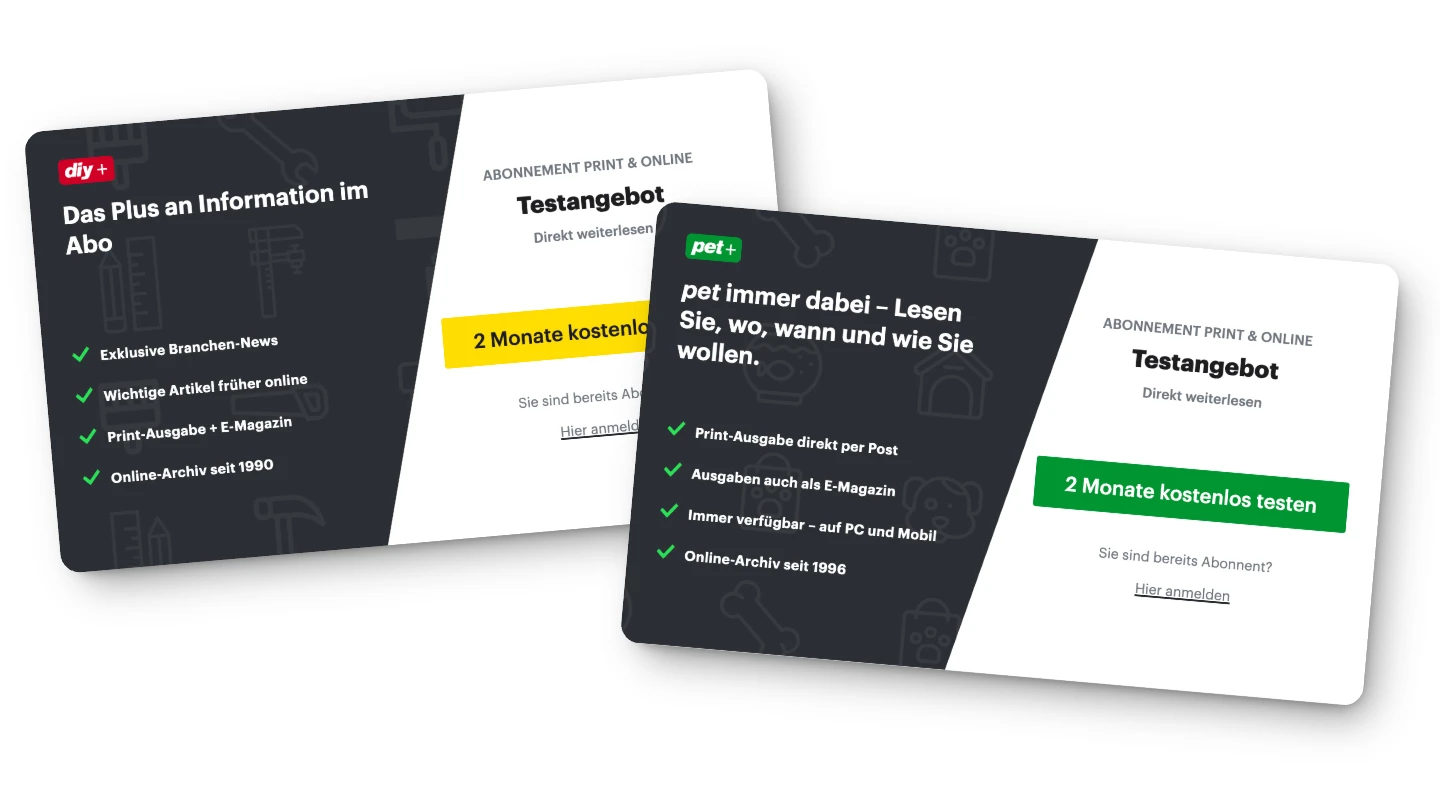

The final piece of the puzzle for a digital publishing house was a store. Sylius was chosen to build the store—a powerful Symfony-based framework that is much more than just a store. And, of course, it’s all open source.
In addition to all the features of a standard online store for selling and managing subscriptions and products, this framework offers the ability to make customizations, such as integrating a paywall that takes effect after a certain period of time or can be triggered by events.
Free and paid articles can be managed centrally, and seamless integration with Neos as the leading system and with the Open Source Publishing Suite (OSP) is easy to implement and improves the user experience for editors as well as for customers who use the store.
The project with Dähne is a good example of our approach to digitizing a company with a long-term strategy. For many years, we have been working very closely with Dähne Verlag to develop and continuously improve the websites for the four trade journals diy, DIY International, pet, and PET worldwide.
Thanks to the comprehensive solution we developed for Dähne Verlag—comprising a CMS, OSP, and online store—the publisher is well-positioned for the future.