Cancel
Start searching

This search is based on elasticsearch and can look through several thousand pages in miliseconds.
Learn more
As an open-source agency, we are committed to open-source software because it offers many advantages.
For example, companies can freely choose their service provider.
But open source is also about values and digital sovereignty. Of course, there are pitfalls as well.

Openness, collaboration with the developer community, and working together on software projects simply for the joy of technology—that’s what the open source community stands for. And we, too, uphold these values.
Open source combines core values with tangible benefits for businesses. At the same time, open source will be more important than ever by 2025: digital sovereignty, EU regulations, and the issue of data sovereignty make open-source software a strategic factor.
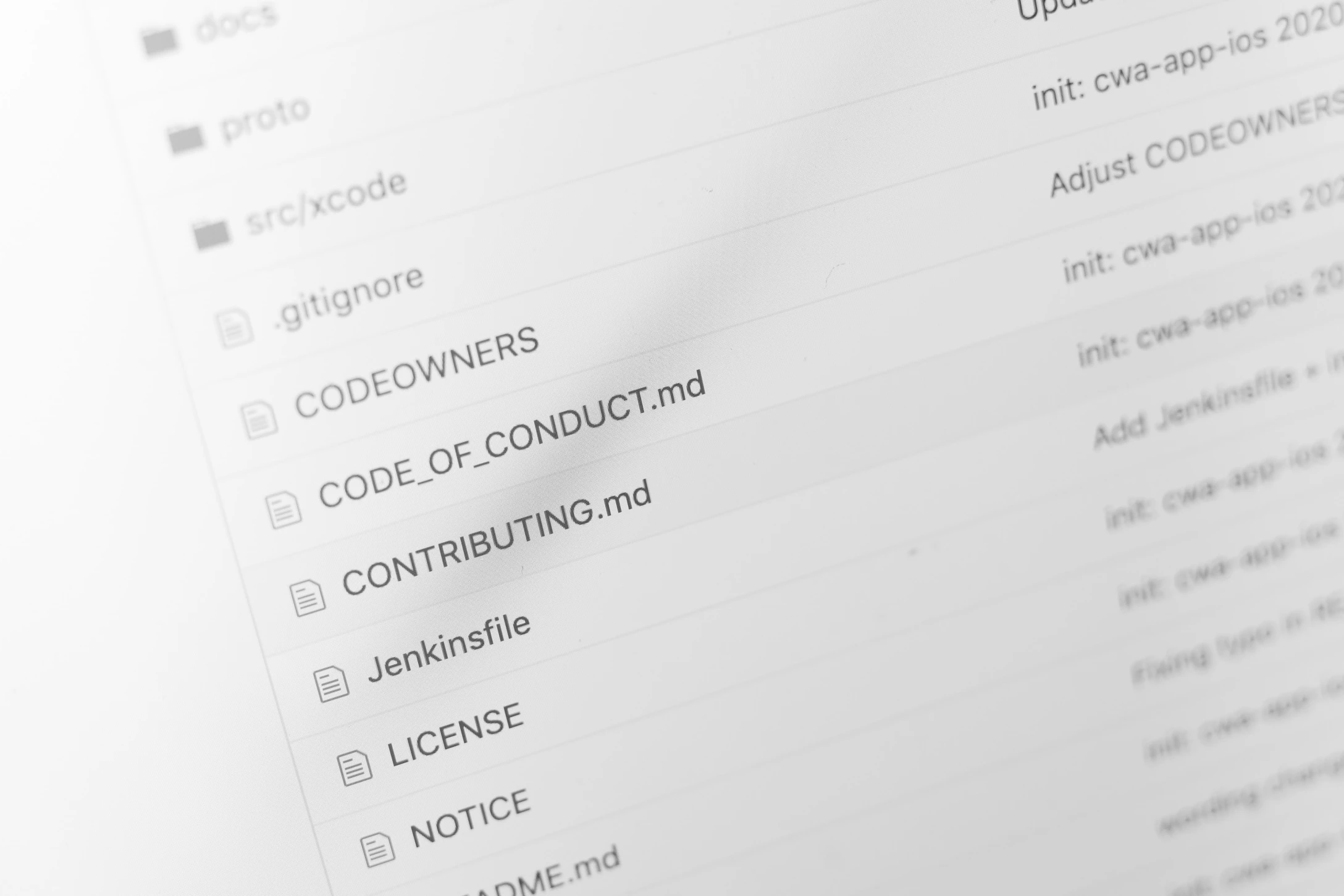
The basic idea behind open source is to share software—and especially its source code—openly and completely freely. Unlike proprietary software, the code is available for anyone to view and use.
The business model? Not the sale of licenses, but services: support, setup, maintenance, consulting, and customization. Communities and agencies are springing up around projects like TYPO3 and Neos that offer exactly that. This gives companies the best of both worlds: reliable support without license fees and the innovative power of an open development culture.
Digital sovereignty is often misunderstood. It’s not about giving things up, but about making informed decisions: Which data is critical? Where do we need control? Where is a pragmatic solution sufficient?
A lack of sovereignty means dependence —and that often only becomes apparent when it’s too late. Vendor lock-in, lack of portability, high switching costs.
A real-world example: ITZBund’s Government Site Builder has been based on TYPO3 since version 11—a clear commitment to open source “made in Germany.”
Automation is part of the modern IT landscape. But tools like Make or Zapier mean your data ends up in third-party clouds.
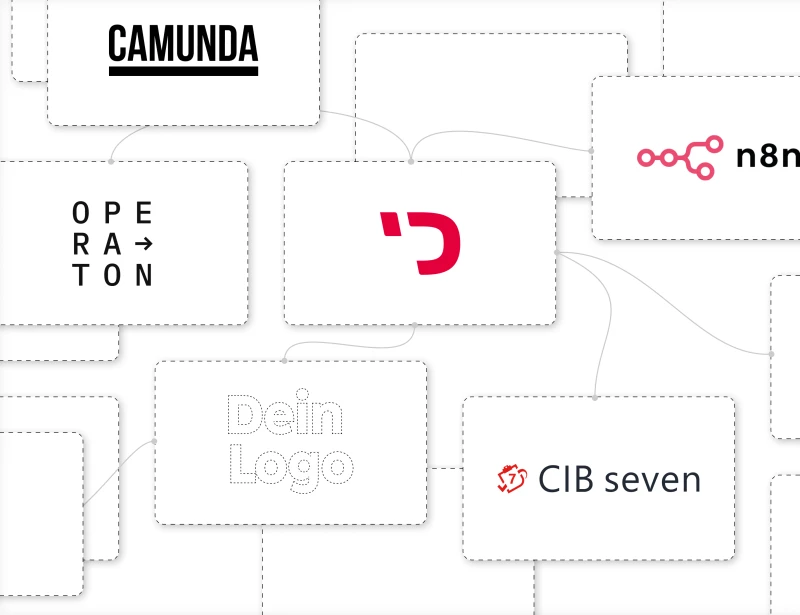
We take a different approach: self-hosted automation with n8n (for flexible workflows) and Camunda 7 forks (for enterprise processes). All data stays with you. All processes are transparent.
Here’s an example: Our public relations work is automated via n8n—without a single data record leaving our servers.
Our stance: Automation is only sustainable if the company retains control over its data.
Even though we recommend open source, there are pitfalls.
Communities can disband. For large projects (TYPO3, Linux), the risk is minimal; for small niche projects, it’s higher. An experienced open-source service provider can help you assess the situation.
There is no manufacturer to hold liable. However, professional support services make up for this—often offering more flexibility and better service than traditional manufacturer support.
Some open-source licenses require that changes to the code also be disclosed. In practice, however, this rarely causes problems.
The supposed disadvantage of “no manufacturer support” is actually an advantage: You choose your support partner yourself. Agencies are springing up around open-source projects that offer comprehensive services—from support and customization to hosting solutions.
The variety is impressive: from big data to cloud solutions to specialized communication systems. Thanks to collaboration within the community, many solutions can be combined—resulting in customized ecosystems with high data security.
We also see ourselves as an open-source agency and would be happy to advise you on the use of open-source software in your company.